
Numbers can have varying meanings across different cultures and countries. In Chinese culture, certain numbers are associated with good fortune, whilst others are considered unlucky. Amongst them, the number eight (八, bā) may be the most famous lucky number.
So why exactly is 8 considered lucky in China?
Meaning and Pronunciation
The word bā (八), meaning “eight”, sounds similar to fā (发), which is associated with prosperity and wealth in words such as fācái (发财), meaning to become wealthy” or “to prosper.” This phonetic similarity has strengthened the number’s association with wealth, success, and good fortune in Chinese culture.
The Chinese language contains many similar-sounding words with different meanings, and over time this can cause certain sounds to develop strong cultural associations and connotations.
The Number Eight in Everyday Life
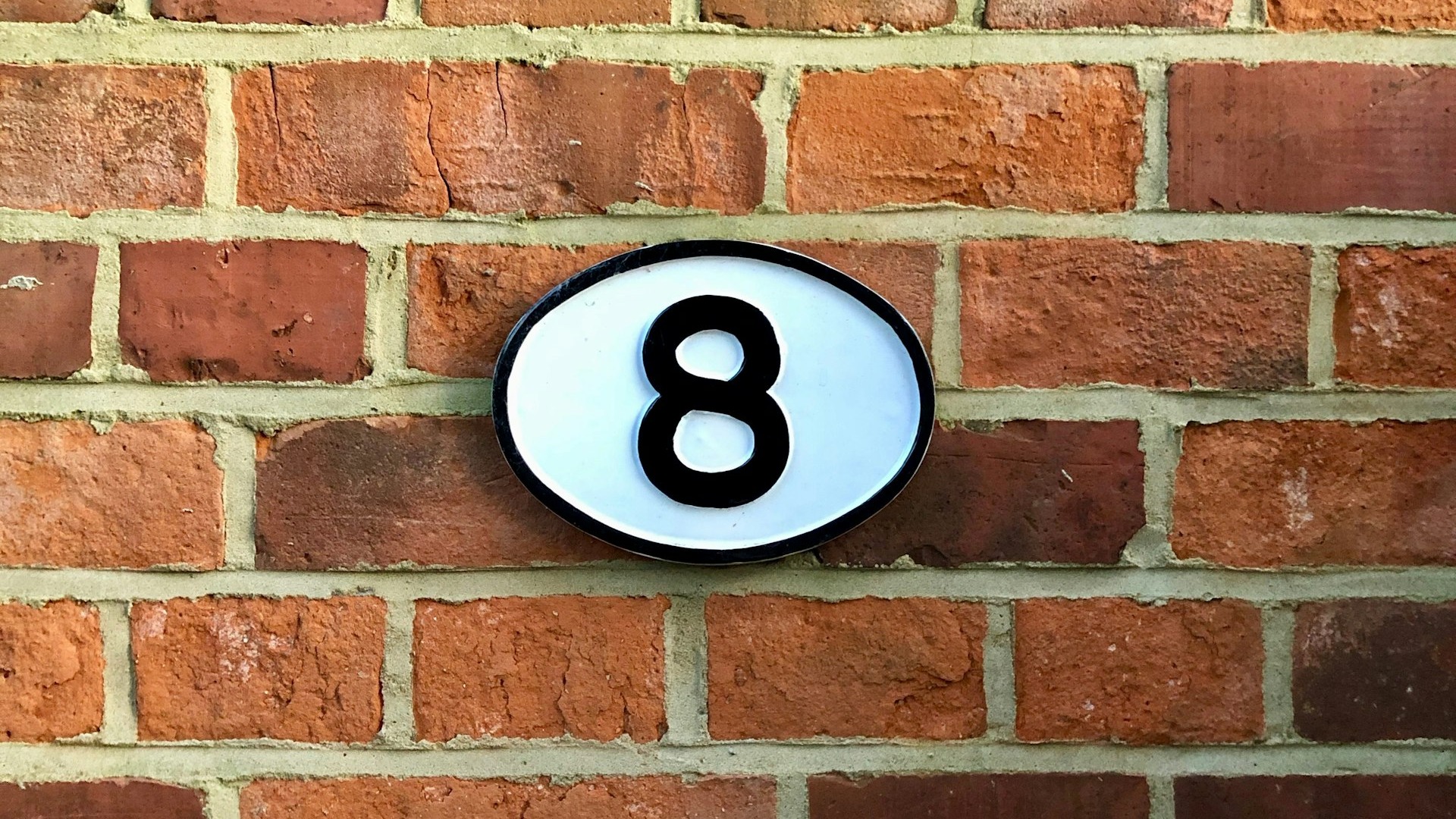
The number eight appears in many aspects of everyday life in China. For example, people may purposely choose to live in a house with the number eight or in an apartment on the eighth floor. In addition, people may want this lucky digit in their phone number or even car registration plate; some individuals may even host important events like weddings on dates with the number eight in them.
However, despite eight’s strong cultural ties to good fortune and wealth, not everyone in China believes that it is a lucky number.
Chinese Business Culture
Apart from phone numbers and vehicle registration plates, the number eight also frequently appears in business settings in hopes of bringing more money and sales.
Many Chinese businesses choose offices at addresses containing the number eight because of its positive connotations. The popularity of addresses containing this special number can even cause property valuations to skyrocket due to its desirability (the same can apply to unlucky numbers, with property prices being lower).
2008 Beijing Olympics
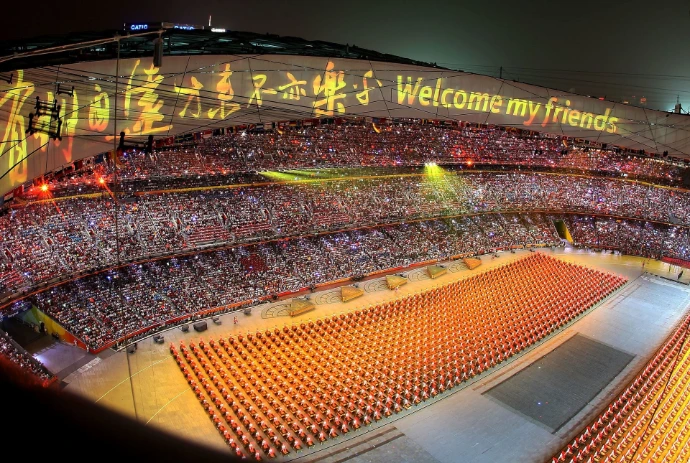
One famous example of the cultural significance of the number eight was the opening ceremony of the 2008 Beijing Olympics, which was held at 8:08 pm on August 8th 2008 (2008年八月八日).
The deliberate repeated use of the number eight demonstrated the cultural significance attached to the number eight for bringing good fortune. Holding an important event like the Olympics at a time filled with eights reflects how deeply these associations can be incorporated into Chinese life.
New to Chinese? Start Here.
The no-fluff roadmap for absolute beginners — what to learn first, what to skip, and how to actually stick with it past week two.

Other Lucky Numbers in Chinese Culture
Furthermore, the numbers two, three, five, six, seven, nine and even thirteen are considered lucky numbers in Chinese culture (Lucky Numbers and Unlucky Numbers in China).
Number 2
The number two is pronounced as èr (二). Chinese people believe in balance and harmony (which is also reflected in traditional Chinese Medicine (TCM)), as all good things come in pairs (liǎng, 两, measure word for two).
Number 3
The number three in Chinese is pronounced sān (三), which sounds similar to the word for birth, shēng (生) and represents the three main stages of human life: birth, marriage and death.
Number 5
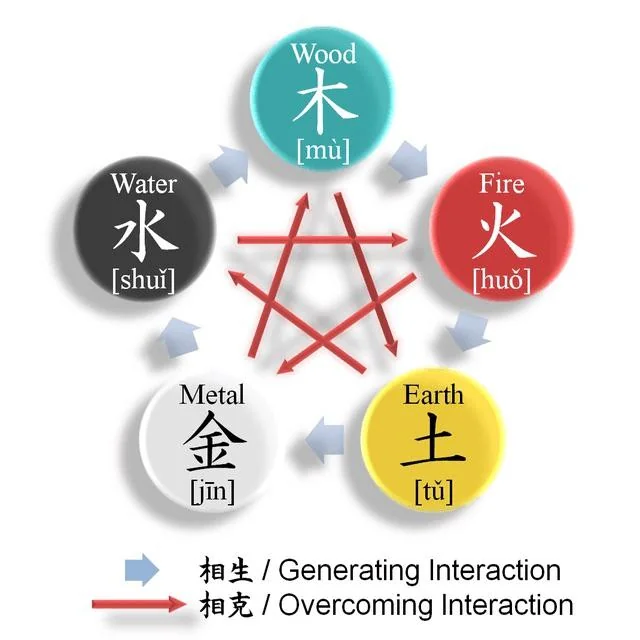
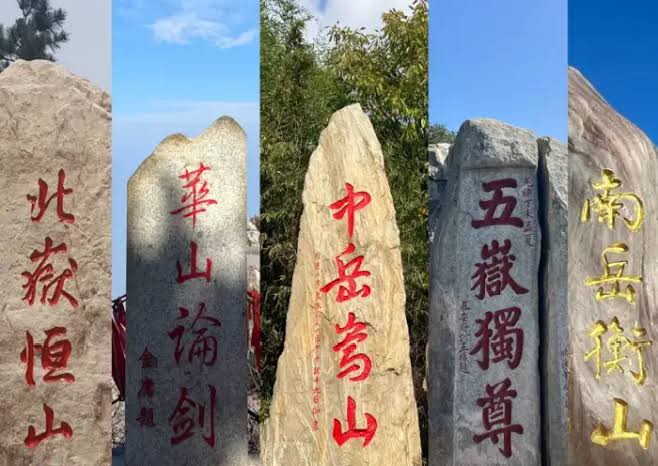
Five, wǔ (五), is associated with the five elements: earth, fire, water, metal and wood. These five elements are considered the basic components of the world, and are also associated with the Chinese emperor.
The number five is also reflected in the five flavours: sweet, salty, bitter and pungent, as well as the five sacred mountains: Songshan, Taisahn, Hengshan, Huashan (Jiangxi), Hengshan (Hunan).
Number 6
Six, liù (六), sounds similar to the word for flow (流, liú), which represents that life or business will flow smoothly.
The internet slang term 666 (liù liù liù), often associated with the devil in the West, means “awesome” or impressive in China, and is used to praise someone’s skill.
Number 7
The number seven qī (七) is both lucky and unlucky. It sounds similar to the word qí (齐), meaning harmonious, and qì (气), meaning vitality or energy, but it can also sound like qī (欺), meaning to cheat or deceive someone.
In addition, Qixi (Chinese Valentine’s Day) falls on the seventh day of the seventh lunar month, making it a symbol of love (Chinese Valentine's Day: The Qixi Festival, What It Is and How to Celebrate). However, Ghost Month (Ghost Month: The Hungry Ghost Festival, What It Is, Taboos and Meaning) also falls in the seventh lunisolar month.
Number 9
Nine jiǔ (九) symbolises longevity or eternity (久), which is pronounced as jiǔ. The number is popular in romance and love, and it’s popular to give someone ninety-nine roses to represent eternal love.
Number 13
Unlike thirteen being an unlucky number in the West, in Chinese it is pronounced as shísān (十三), which sounds similar to shíshēng (实生), meaning “assured growth” or “vitality”.
Lucky Number Vocabulary
| Chinese | Pinyin | English |
|---|---|---|
| 财富 | Cáifù | Wealth |
| 发 | Fā | To become wealthy |
| 幸运 | Xìngyùn | Good fortune |
| 气 | Qì | Vitality, energy |
| 欺 | Qī | To cheat / deceive |
| 六六六 | Liù liù liù | Internet slang meaning awesome, amazing |
| 八 | Bā | Eight |
| 吉利 | Jíli | Auspicious, lucky |
| 传统 | Chuántǒng | Tradition |
| 数字 | Shùzì | Number |
FAQ
The number 8 is traditionally associated with wealth, success and good fortune.
The opening ceremony for the 2008 Beijing Olympics was held on 8th August at 8:08 pm, and the repeated use of the number reflects cultural connotations of good fortune.
No, not every Chinese person believes 8 is a lucky number; it can vary depending on age, region and personal belief. The number 8 does have traditional ties to prosperity, but not everyone attaches importance to it.

Alice O'Connor
Alice is a UK-based writer and University of Leeds graduate in Asia Pacific Studies and Chinese. From her time living and studying abroad in Taipei she combines her studies with firsthand experiences to cover contemporary Chinese culture, trends, and Mandarin learning. Through her writing and storytelling, Alice helps readers connect with Chinese related topics.