
When Chinese encountered the penguin for the first time, they looked at it carefully. It stood upright. It waddled on its toes. It had the general bearing of a goose attempting to look professional. They named it 企鹅 (qǐ é): "the goose that stands on tiptoe."
That's it. That's the penguin. Named entirely by description, with complete accuracy, in two characters.
This is what Chinese does with animals it had never seen before — and the results range from completely logical to genuinely surreal. This article is a tour of the best ones, why the naming system works this way, and why learning animal vocabulary might be one of the most enjoyable vocabulary exercises in Mandarin.
Why Chinese Animal Names Work Like This
Before the list, a brief explanation of the mechanism.
Chinese characters carry meaning in a way that English words don't. English "penguin" is borrowed from Welsh or Breton, probably meaning "white head" — a fact virtually no English speaker knows because the original meaning has been entirely buried. The word is now just a sound attached to a flightless bird.
Chinese doesn't work this way. Each character retains its meaning, so a compound word is always legible — you can usually decode it. This means that when Chinese speakers encountered unfamiliar foreign animals, they had two options: borrow the foreign sound phonetically (like 哈巴狗, hābagǒu, for Pekingese — a phonetic approximation), or describe what they saw. Overwhelmingly, for animals, they chose description.
The results are often more logical than the English names. Sometimes they're funnier. Occasionally they're both.
The Animals
企鹅 (qǐ é) — Penguin
Literal meaning: "Tiptoe goose" or "goose that stands on tiptoe"
企 (qǐ) means to stand on tiptoe or to crane one's neck. 鹅 (é) is goose. Together they describe exactly what a penguin looks like: a goose that appears to be perpetually stretching upward, trying to see over a crowd.
Perfect. Moving on.
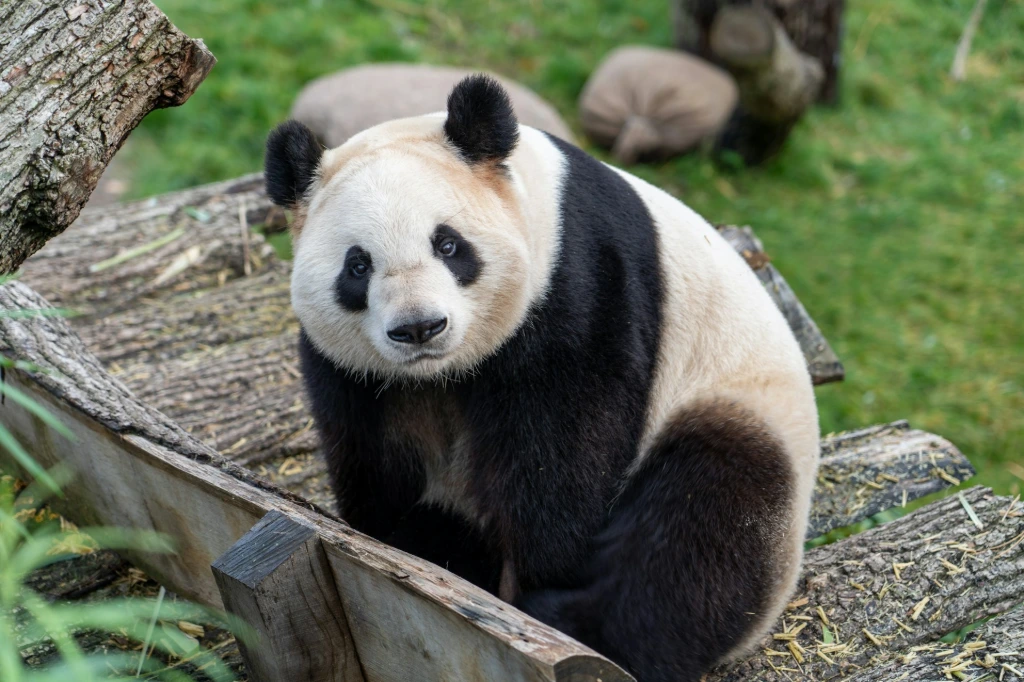
熊猫 (xióngmāo) — Panda
Literal meaning: "Bear cat"
Not "giant panda." Not "bamboo bear." Bear cat. The namer looked at an animal that is, objectively, enormous, and decided the most relevant information was that it had some cat-like facial features. Historians and linguists have debated this for a while. The scientific name Ailuropoda melanoleuca means "black-and-white cat-foot" — so both cultures apparently fixated on the cat angle.
袋鼠 (dàishǔ) — Kangaroo
Literal meaning: "Pouch rat" or "bag mouse"
袋 (dài) means bag or pouch. 鼠 (shǔ) means rat or mouse. So a kangaroo is a rat with a bag, which is not the most flattering description of an animal that can knock a grown man unconscious with a single kick. The naming logic is solid — they noticed the pouch — but the choice to categorise it with the rodents is a bold one.
无尾熊 (wúwěixióng) — Koala
Literal meaning: "Tailless bear"
无 (wú) means without. 尾 (wěi) means tail. 熊 (xióng) means bear. The naming committee looked at a koala, confirmed the absence of a visible tail, and filed it under bears. The koala is not a bear. It is a marsupial. But "tailless bear" is a fair description of how it presents to the casual observer, so points for accuracy.
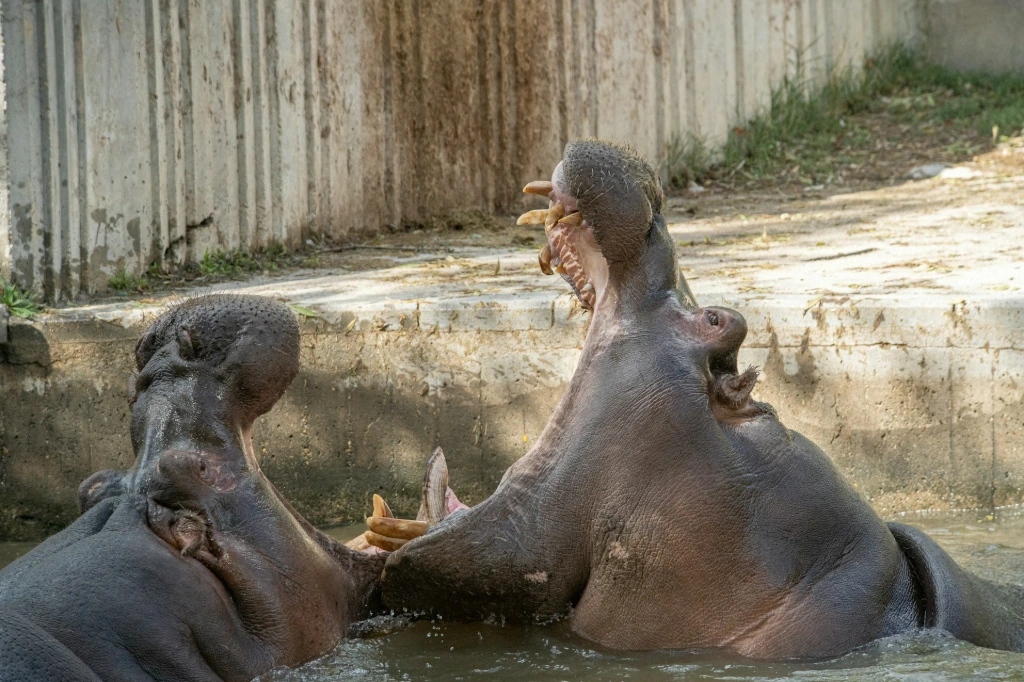
河马 (hémǎ) — Hippopotamus
Literal meaning: "River horse"
河 (hé) means river. 马 (mǎ) means horse. This is actually the same logic as the English — "hippopotamus" comes from the Greek for "river horse." Two civilisations, independently, looked at a hippopotamus and thought: horse. This says something either about the hippopotamus or about cross-cultural pattern recognition.
The difference is that English speakers don't know their word means "river horse" because the Greek is invisible. Chinese speakers know 河马 means "river horse" because the characters are right there.
海豚 (hǎitún) — Dolphin
Literal meaning: "Sea pig"
豚 (tún) is an archaic word for pig. 海 (hǎi) is sea. The dolphin, famously beloved for its intelligence and grace, is a sea pig in Chinese. The ancient naming party did not have access to the same PR team as the modern dolphin.
长颈鹿 (chángjǐnglù) — Giraffe
Literal meaning: "Long-neck deer"
长 (cháng) means long. 颈 (jǐng) means neck. 鹿 (lù) means deer. This one is simply correct. The giraffe is exactly that — a very long-necked deer-like animal. No imagination required, pure taxonomy by observation.
壁虎 (bìhǔ) — Gecko
Literal meaning: "Wall tiger"
壁 (bì) means wall. 虎 (hǔ) means tiger. A gecko is a wall tiger, which is an extraordinary promotion for a creature that is largely harmless and approximately six centimetres long. The naming logic presumably relates to the gecko's hunting posture — it waits, still and patient, before striking — but calling it a tiger remains a generous interpretation.
The Chinese dragon is an animal that commands genuine fear and respect in Chinese culture. The wall tiger commands the same respect but only from flies.
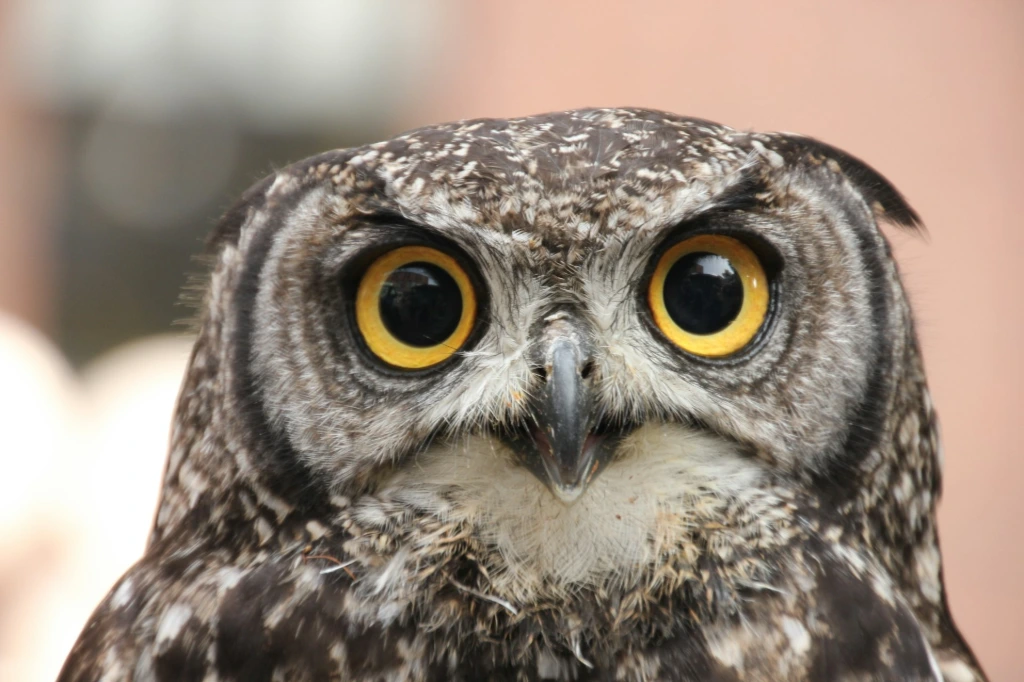
猫头鹰 (māotóuyīng) — Owl
Literal meaning: "Cat-headed eagle"
猫 (māo) means cat. 头 (tóu) means head. 鹰 (yīng) means eagle or hawk. An owl is a cat-headed eagle — which is, if you look at an owl for a few seconds, a reasonable description. The flat face, forward-facing eyes, and general air of disapproval are distinctly feline. Combined with the wings and talons of a bird of prey, "cat-headed eagle" covers the essential facts.
鬣狗 (liègǒu) — Hyena
Literal meaning: "Dog with a mane"
鬣 (liè) refers to a mane or long neck hair. 狗 (gǒu) means dog. A hyena is a dog with a mane — which accurately captures both the dog-like body structure and the distinctive ridge of hair along its back. This is one of the more precise names on the list.
犀牛 (xīniú) — Rhinoceros
Literal meaning: "Rhinoceros cow" or more precisely "horned cow"
犀 (xī) actually refers specifically to a rhinoceros in classical Chinese, so this is less of a pure description than some others. But broken down: a large, horned, agricultural-looking animal. The logic holds.
蝙蝠 (biānfú) — Bat
Literal meaning: "Flat rat" or "flying rat"
The 蝠 (fú) part shares a character with 福 (fú), meaning good fortune — the same character that appears on the red envelopes and decorations everywhere at Chinese New Year. This phonetic coincidence means bats are considered lucky in Chinese culture, appearing frequently in traditional art and design. An animal that most Western cultures associate with darkness and vampires is a symbol of prosperity in China — a reminder of how differently the same creature can land in different symbolic systems.
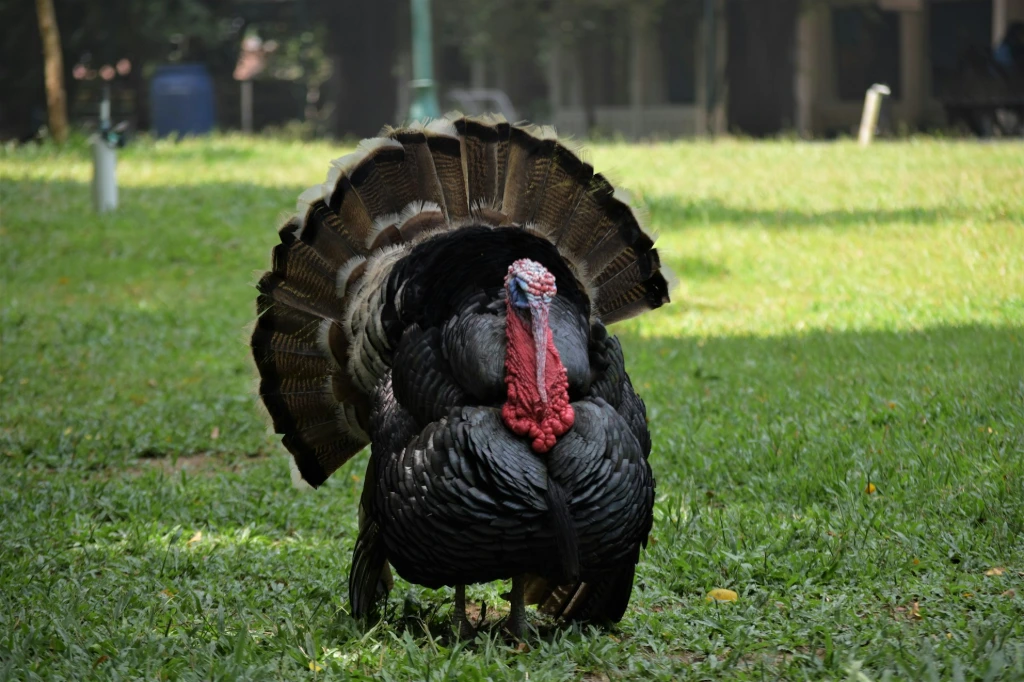
火鸡 (huǒjī) — Turkey
Literal meaning: "Fire chicken"
火 (huǒ) means fire. 鸡 (jī) means chicken. A turkey is a fire chicken — presumably because of the red wattle and the general redness of the face that intensifies when a turkey is alarmed. This is one of the more evocative names on the list. "Fire chicken" sounds like something from a fantasy novel. It is, in fact, what most Americans eat at Thanksgiving.
刺猬 (cìwèi) — Hedgehog
Literal meaning: "Thorny hedgehog" (the full character contains spines)
The word 猬 (wèi) already specifically means hedgehog in classical Chinese — combined with 刺 (cì, thorn or spine), you get a doubly spiny creature. This one is less of a surprising translation and more of a pleasingly accurate description: a small ball of thorns that rolls.
树懒 (shùlǎn) — Sloth
Literal meaning: "Tree lazybones"
树 (shù) means tree. 懒 (lǎn) means lazy. A sloth is a tree lazybones. No irony, no metaphor, no poetic embellishment — just a completely accurate description of an animal's primary characteristics. Both the Chinese and English names (sloth is an archaic English word for laziness) arrive at the same conclusion.
Join our discord server!
Join the Mandarin Zest community on Discord. Discover Chinese pop culture and internet trends, chat with fellow learners, and interact with teachers and fluent moderators.

What This Teaches You About the Language
The deeper point behind all of this — and the reason it's worth learning animal vocabulary specifically — is that it demonstrates something important about how Chinese characters are built.
Most characters in Chinese carry visible semantic components — radicals and phonetic elements that give you a clue to both meaning and pronunciation. Animals are an especially vivid example because the names are compositional: 海豚 is 海 (sea) + 豚 (pig). Once you know those two characters, you'll never forget what dolphin means in Chinese.
This extends across the language. Once you learn the water radical 氵, you start seeing it in 海 (sea), 河 (river), 泡 (bubble), 汤 (soup), 洗 (wash) — and once you know 鸟 means bird, you start seeing it in 鸡 (chicken), 鸭 (duck), 鸽 (pigeon), 鹰 (eagle). The radical system is the key to making character learning feel logical rather than arbitrary — and animal names are one of the most enjoyable places to see it in action.
The Vocabulary
Here's the full list in one place, useful for anyone building animal vocabulary for HSK study or just for the genuine pleasure of knowing that a dolphin is a sea pig.
| Animal | Chinese | Pinyin | Literal meaning |
|---|---|---|---|
| Penguin | 企鹅 | qǐ é | Tiptoe goose |
| Panda | 熊猫 | xióngmāo | Bear cat |
| Kangaroo | 袋鼠 | dàishǔ | Pouch rat |
| Koala | 无尾熊 | wúwěixióng | Tailless bear |
| Hippopotamus | 河马 | hémǎ | River horse |
| Dolphin | 海豚 | hǎitún | Sea pig |
| Giraffe | 长颈鹿 | chángjǐnglù | Long-neck deer |
| Gecko | 壁虎 | bìhǔ | Wall tiger |
| Owl | 猫头鹰 | māotóuyīng | Cat-headed eagle |
| Hyena | 鬣狗 | liègǒu | Maned dog |
| Rhinoceros | 犀牛 | xīniú | Horned cow |
| Bat | 蝙蝠 | biānfú | Flying rat |
| Turkey | 火鸡 | huǒjī | Fire chicken |
| Sloth | 树懒 | shùlǎn | Tree lazybones |
| Hedgehog | 刺猬 | cìwèi | Thorny one |
These are the kinds of words that make people stop mid-lesson and say "wait, that's what it's called?" — and that's exactly why they tend to stick. A sea pig is hard to forget.
One Last One
Before you go, the otter.
水獭 (shuǐtǎ) — water otter. That's the boring one.
But look up 海獭 (hǎitǎ): sea otter. Sea otter in Chinese is literally "sea otter." Fine.
Now look at the flamingo: 火烈鸟 (huǒlièniǎo). Fire. Fierce. Bird. A flamingo is a fierce fire bird. Of all the animals on this list, a flamingo probably deserves that name the least — it spends most of its time standing on one leg in a lagoon — but we're all better for living in a world where flamingos are classified as fierce fire birds.
Our HSK 1 Materials
Are you planning to take the HSK 1 exam? Check out our dedicated materials, designed by teachers for learners.