
In China, red is far more than a color — it is a powerful cultural symbol deeply woven into daily life, long-standing traditions, and thousands of years of history.
Red can be seen everywhere: from the red wedding gowns worn by brides and grooms to the bright red lanterns decorating the streets; from red envelopes (红包 hóngbāo) exchanged during the Spring Festival to red couplets pasted on doorframes.
For generations, red has embodied people’s heartfelt wishes for good luck, joy, and prosperity. It has become an indispensable part of Chinese cultural identity.
What Does Red Mean in Chinese Culture?
In ancient times, red was closely connected to nature and spiritual beliefs. Today, it still carries three core meanings.
1. Good Luck and Protection
Since ancient times, red has been believed to ward off evil spirits and protect families from harm. This belief remains deeply rooted in Chinese society today.
Example: 本命年 (běn mìng nián) 穿红 (chuān hóng)
People often wear red during their 本命年, meaning “the Year of Your Zodiac Sign.”
According to traditional belief, a person’s luck may become unstable during their zodiac year. To protect themselves and attract good fortune, many people wear red clothing — especially red underwear. These close-fitting items are thought to act as a “protective shield” against bad luck.
Because the Chinese zodiac follows a 12-year cycle, 本命年 occurs every 12 years. For example, if you were born in the Year of the Horse (such as 2002), then 2026 would be your 本命年.
2. Joy and Celebration
Red is the color of happiness and festive occasions. Whenever there is a joyful event, red is used to create a lively and celebratory atmosphere.
Example: Traditional Chinese Weddings
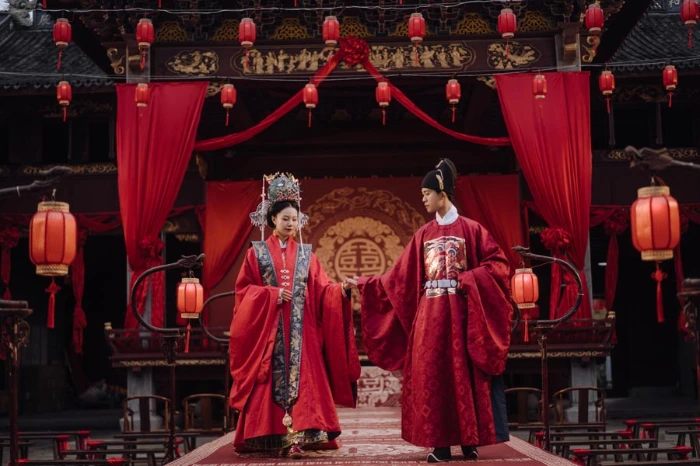
At traditional Chinese weddings, both the bride and groom wear red wedding attire. The venue is decorated with red lanterns, red flowers, and red ribbons to symbolize joy and a blessed union.
Red amplifies the sense of happiness and marks the occasion as auspicious and meaningful.
3. Prosperity and Happiness
Red also symbolizes a prosperous, flourishing, and fulfilling life.
Throughout history, Chinese people have cherished hopes for stability, success, and family happiness. Over time, red naturally became a visual symbol of these aspirations.
Example: Red Envelopes (红包 hóngbāo)
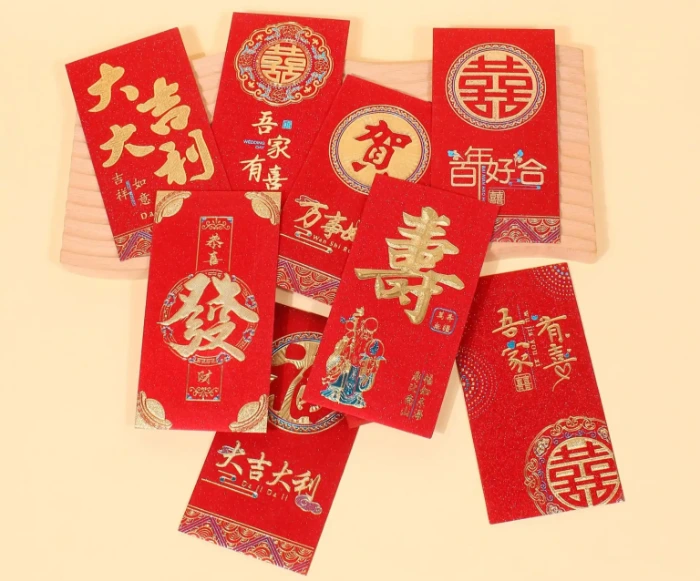
- During festivals such as the Spring Festival, elders give children red envelopes containing money. The red color represents prosperity, while the money inside carries wishes for growth and good fortune.
- At weddings, guests present red envelopes to the newlyweds, wishing them harmony, wealth, and a happy marriage.
How Did Red Become Such a Powerful Symbol?
Red’s symbolic power developed gradually over thousands of years, shaped by spiritual beliefs, philosophy, social customs, and modern history.
1. Primitive Origins: Life and Vitality
In early societies, people associated red with essential life forces: the sun, fire, and blood. These elements represented warmth, survival, and vitality.
As a result, red was seen as a powerful force capable of driving away darkness and evil.
2. Philosophical Foundations: The Five Elements
In traditional Chinese philosophy, the theory of the Five Elements (五行 wǔxíng) includes metal, wood, water, fire, and earth.
Red corresponds to the element of fire, which symbolizes 阳气 (yángqì) — positive, active energy. Fire represents warmth, growth, passion, and upward momentum. This philosophical system further strengthened red’s association with prosperity and vitality.
3. Folk Traditions and Language
In ancient China, different words described shades of red, such as 朱 (zhū) and 赤 (chì), both referring to bright, vivid red tones.
A famous proverb illustrates the cultural meaning of red:
近朱者赤,近墨者黑
(jìn zhū zhě chì, jìn mò zhě hēi)
Literally: “One who stays near vermilion becomes red; one who stays near ink becomes black.”
Its meaning is similar to the English saying, “You are the company you keep.”
In this context, red symbolizes positive influence, integrity, and moral character.
4. Modern Revolutionary and National Symbolism
In the 20th century, red took on additional political and national meanings.
- During revolutionary movements, red symbolized sacrifice, struggle, and liberation.
- Since 1949, the national flag of the People's Republic of China has made red the official national color. The red background represents the blood shed by revolutionary martyrs and the unity of the Chinese people.
Today, red also functions as a strong symbol of national identity.
5. Red in Modern Daily Expressions
Even in contemporary language, red carries positive connotations:
- 走红 (zǒuhóng) — to become popular or go viral
- 爆红 (bàohóng) — to become an instant hit
- 红光满面 (hóngguāng mǎnmiàn) — to look radiant and healthy
- 红红火火 (hónghóng huǒhuǒ) — prosperous and thriving
These expressions show how deeply red is embedded in modern Chinese life and thought.
Is Red the Only Lucky Color in Chinese Culture?
No. While red is the most widely used lucky color, yellow also carries auspicious meaning — but in a different way.
The Difference Between Red and Yellow
Red
- Symbolizes joy, celebration, vitality, and good fortune
- Widely used in festivals and weddings
- The lucky color of ordinary people
- Warm, inclusive, and connected to daily life
Yellow
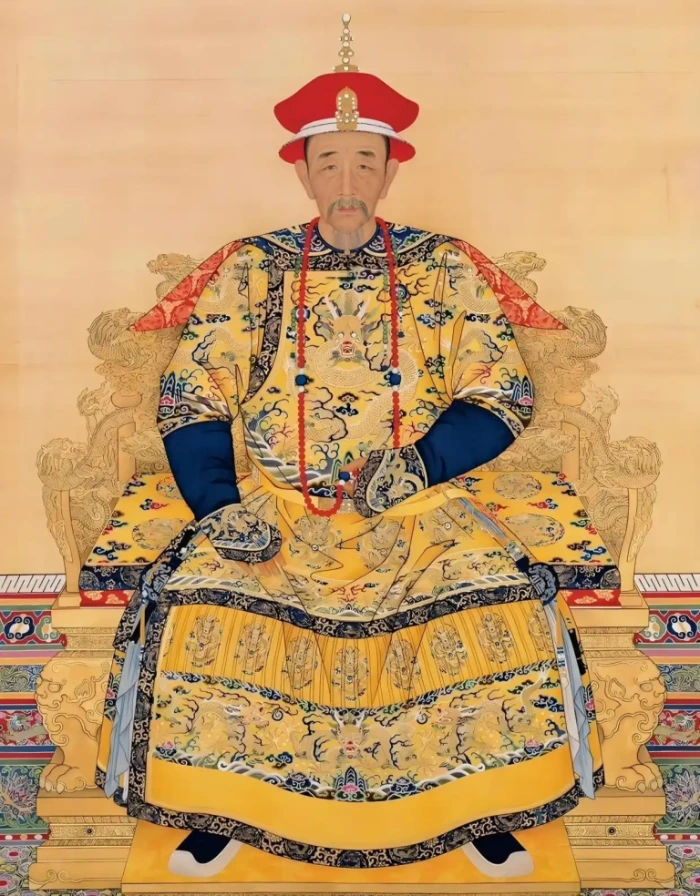
- Represents imperial authority, dignity, and wealth
- Historically reserved for emperors (yellow robes and dragon symbols)
- Associated with supreme status rather than everyday happiness
In short:
Red symbolizes shared blessings and common prosperity.
Yellow represents power and royal authority.
Does Red Always Represent Positive Things?
Not always.
Although red is generally associated with happiness, it can also convey danger, fear, or warning depending on context.
For example:
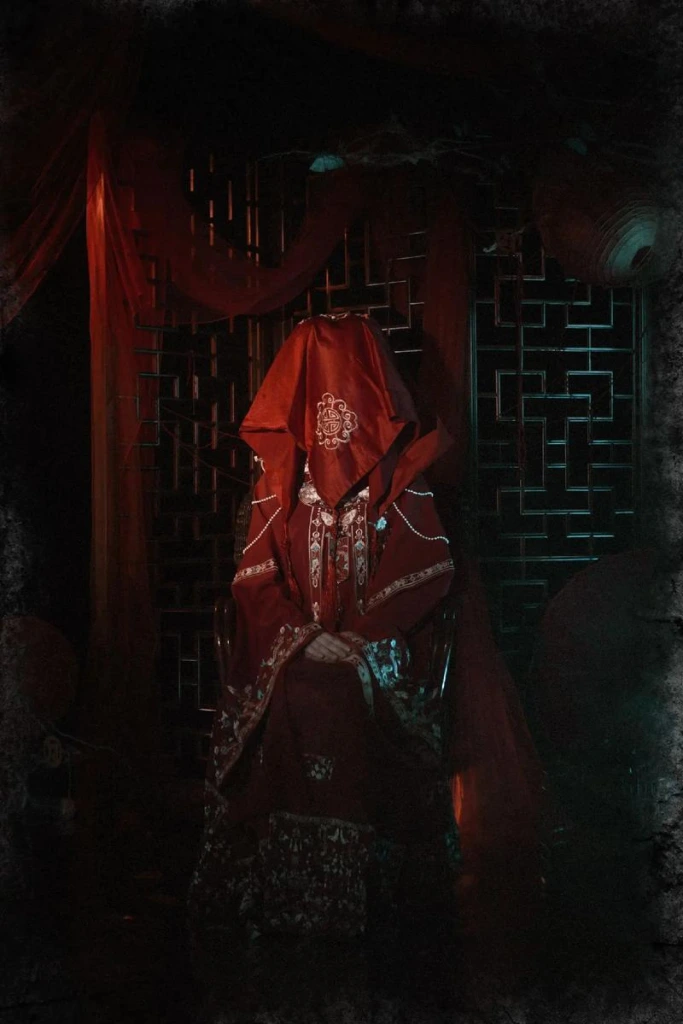
- In horror-themed escape rooms set in traditional wedding scenes, red decorations — wedding dresses, candles, lanterns — are used to create an eerie contrast. The clash between joyful symbolism and a dark setting intensifies the sense of fear.
- A red traffic light signals “stop” and warns of potential danger.
Like many cultural symbols, the meaning of red depends on how and where it is used.
Final Thoughts: The True Meaning of Red
In Chinese culture, red is much more than a visual color — it is a living cultural symbol.
From ancient fire worship to philosophical systems, from folk customs to national identity, red has continuously evolved while maintaining its core associations with good fortune, vitality, and prosperity.
Today, it remains central to festivals, weddings, traditions, and even modern slang. For Chinese people at home and abroad, red continues to connect them to their cultural roots.
For Chinese learners, understanding the symbolism of red is not just about vocabulary — it is a key to understanding Chinese society, traditions, and cultural psychology.
FAQ
Red mainly represents good luck, joy, prosperity, vitality, and protection.
No. Yellow also carries auspicious meaning, especially in relation to imperial power and nobility.
Its symbolism evolved from ancient beliefs about fire and life forces, reinforced by philosophical systems and long-standing folk traditions.
Yes. Red is generally avoided during funerals and mourning occasions, where white or black clothing is traditionally worn instead.

Xinyan Gong
Xinyan, originally from Xiamen, focuses on SEO and content creation, with experience in optimizing online content and developing engaging digital materials. She is committed to improving online visibility and delivering high-quality, targeted content.