There isn’t one main style of traditional Chinese clothing; in fact, Chinese clothing varies and has evolved depending on the region, dynasty, different ethnic groups and social classes.
But what’s the difference between hanfu, qipao, Tang suits and Zhongshan suits, and are they all traditional clothing?
What Exactly Is Traditional Chinese Clothing?
Illustrations © N. Duong · iridescentdream.com
No single style of clothing can represent the entirety of Chinese history.
China’s population has fifty-six recognised ethnic groups, with the largest being Han Chinese, who make up more than 90% of the country. The ethnic groups are categorised into eight groups, each based on their history and geographical location: Han, Tibetan, Yi, Uyghur, Mongolian, Zhuang, Hui and Bouyei.
Each ethnic group has its own history, period and cultural traditions, including distinctive clothing styles that developed in response to social status, trade, fashion and political change.
Interested in learning more about China’s different regions? Why not check out: The Eight Great Cuisines of China
Hanfu
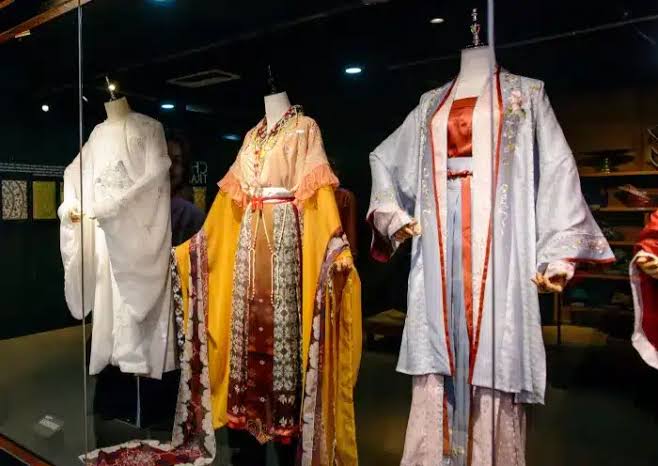
The term 'hànfú’ (汉服) literally means 'clothing of the Han’ and refers to the clothing traditions associated with the Han Chinese before the 17th century; the Han Dynasty was the longest-ruling empire.
Hanfu isn’t one particular outfit. Instead, different styles developed throughout history and reflected each dynasty.
Common characteristics of hanfu include:
- Wide sleeves
- Layered robes and skirts
- Detailed fabric and skilful embroidery
- Long flowing silhouettes
- Waist ties and belts
Hanfu was worn by both men and women, with styles varying according to the wearer’s social status, the occasion and the time period.
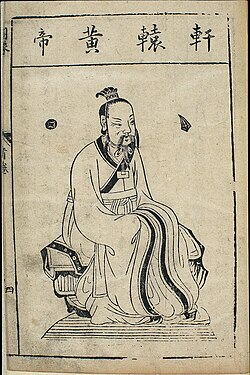
The origins of Hanfu, according to folklore, are that they were created by the Yellow Emperor, who introduced the yi-shang system (衣裳), which was composed of a knee-length shirt or tunic (衣) and an ankle-length skirt (裳). The two garments symbolised the distinction between heaven and earth, as well as the distinct social classes within traditional Chinese society during the Western Zhou Dynasty (1045-771 BC), where the elites wore ornate silk garments, and peasants wore more plain cotton attire.
If you’d like to learn more about hanfu, check out: The 4 Main Styles of Hanfu You Need to Know!
Modern Hanfu and the Hanfu Movement
The modern Hanfu Movement began in 2003 with a Henan electrical worker named Wang Letian, who gained online attention for wearing hanfu in public. Many of Wang’s followers were young adults who had experienced China’s modernisation and urbanisation. Many people were sensitive to the recent colonial period and rejection of Chinese culture during the 20th century. This rejection of traditional Chinese culture created an identity crisis where many people felt disconnected from their country’s history and wanted to reconnect with it by wearing Hanfu, sparking the Hanfu Movement.
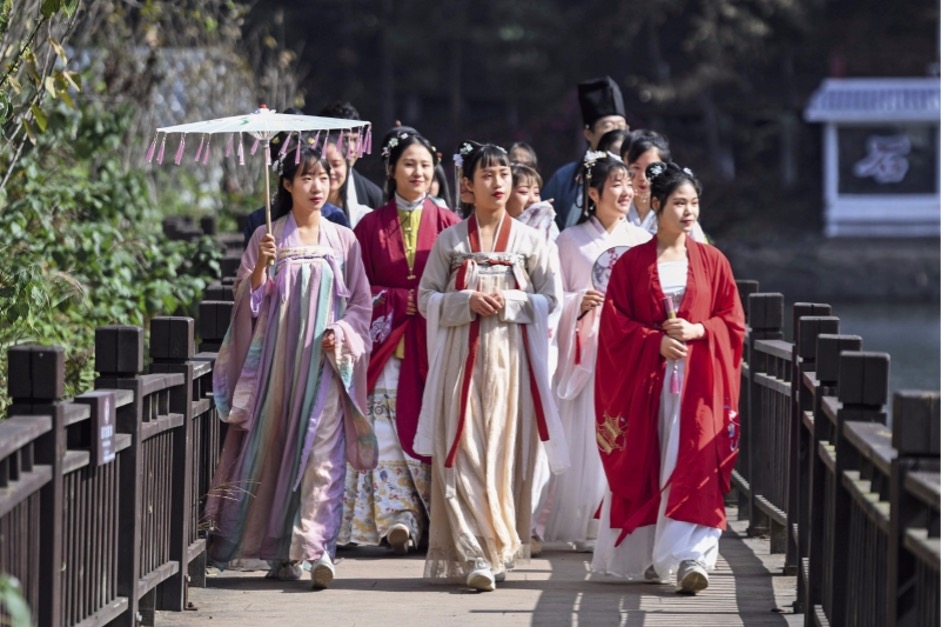
Recently, hanfu’s popularity has continued to grow, with many Chinese influencers posting photos on 小红书 (also known as Xiaohongshu or Red Note) at locations like the Yu Garden in Shanghai.
Recently, more and more designers have started using traditional elements in their clothing, creating contemporary twists on historical clothing.
Qipao and Cheongsam
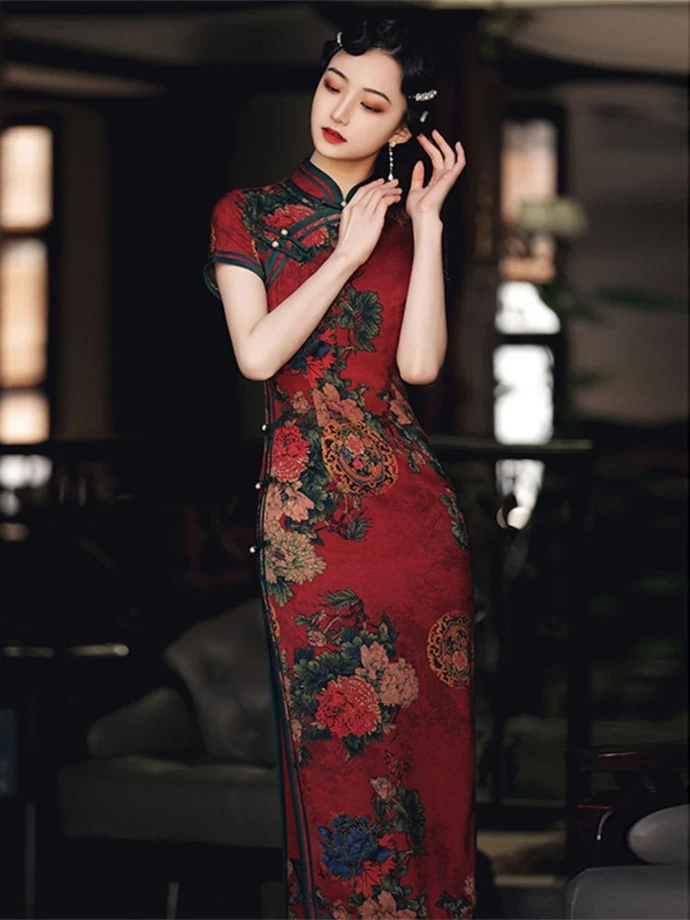
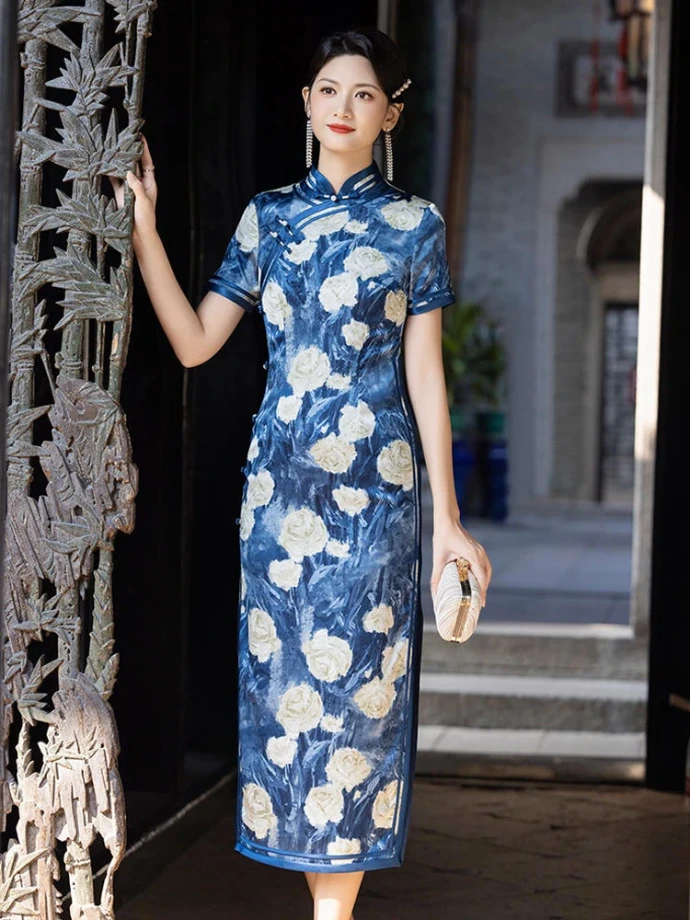
A qipao (qípáo, 旗袍, the literal translation of "Manchu dress”) is a dress which originally started as a loose-fitting long garment but evolved into a tighter and slimming silhouette following Western interaction as well as social and cultural changes. Common features of a qipao include:
- Mandarin collar
- Slide slits
- Hand-embroidered motifs
- Luxury fabrics (mulberry silk, satin, velvet)
- Tailored and form-fitting
- Asymmetric front openings
- Frog buttons or Pankou (盘扣, fabric cord knot buttons)
Qipao’s History and Significance
The last Chinese dynasty was the Qing Dynasty (1644-1911), and its clothing differed from Hanfu because of the dynasty’s Manchurian origins.
During the Qing Dynasty, the 剃发易服 (Tìfā Yìfú) policy required people to adopt Manchu clothing and hairstyles, restricting Han Chinese clothing and changing the course of fashion.
Following the edict, Manchurian women wore 旗裝 (qízhuāng, ‘Manchu clothing’), long robes (衬衣, chènyī) with side slits that allowed for easier movement.
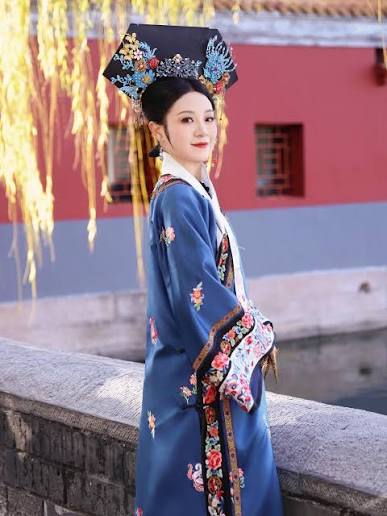
Han women, however, continued to wear their two-piece outfits from the Ming Dynasty. Over time, Han women’s style evolved to incorporate Manchu design elements such as embroidery and binding, whilst retaining characteristics of Ming-era dressing.
One of the most widely recognised garments was the modern qipao (旗袍) or cheongsam, strongly tied to Shanghai and the new modern Chinese woman. However, it evolved a little differently from its Qing beginnings.
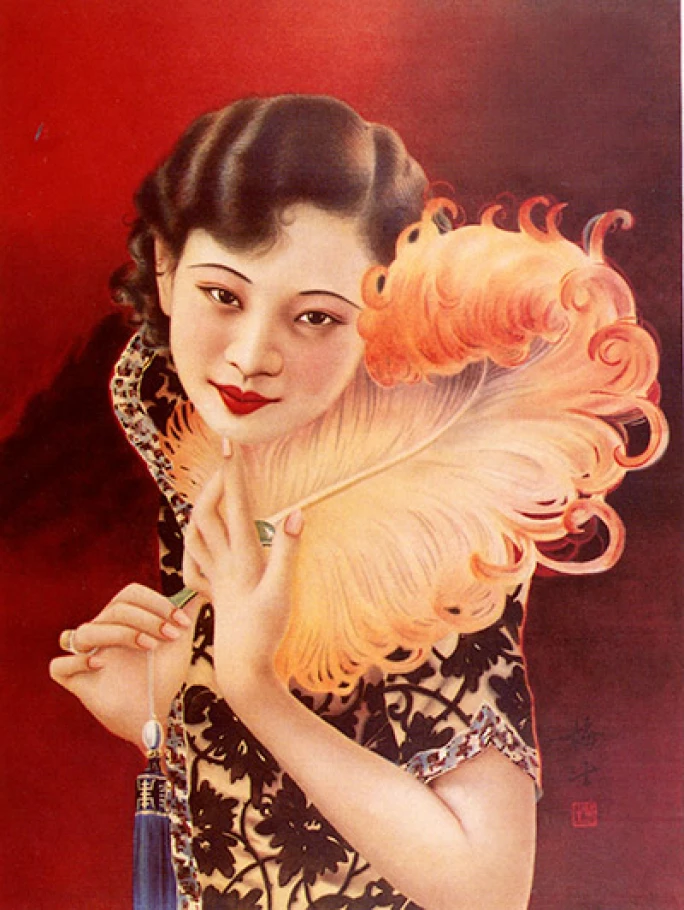
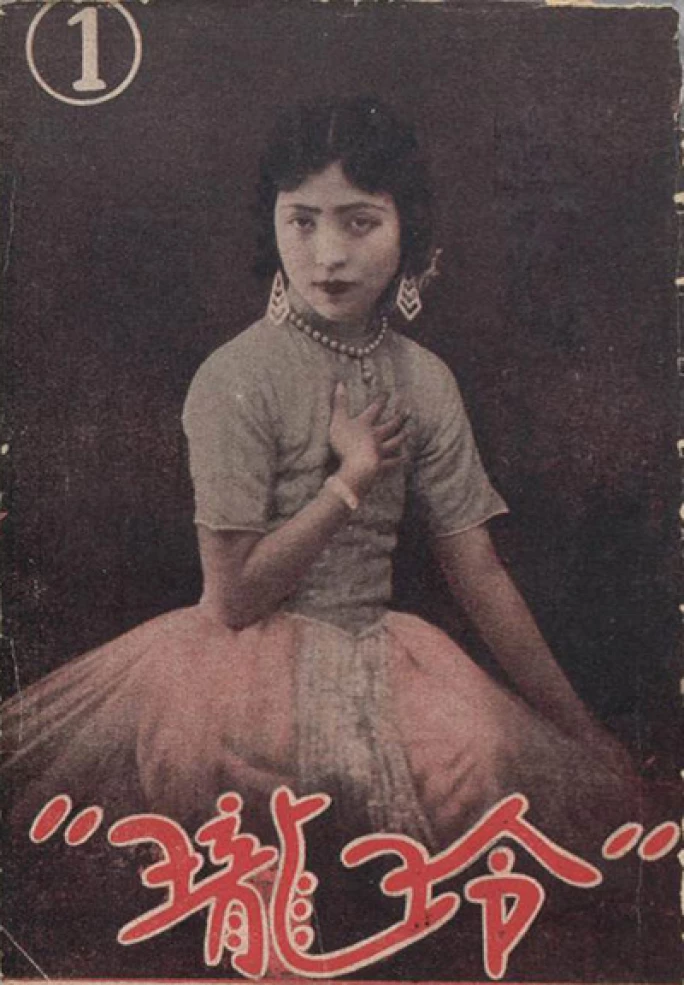
During China’s modernisation and increased globalisation from the West, particularly in cities like Shanghai (which was established as a treaty port in 1843) and known as the "oriental Paris", the qipao evolved. The qipao became a symbol of changing social attitudes and was worn by women to break traditional expectations and norms.
“The Shanghai-style qipao serves as a ‘battle robe’ inspired by male attire. It was a cry for gender equality, expressing inner aspirations through outward appearances - a symbol of female independence and liberation.”
Liu, a scholar of Shanghai-style qipao.
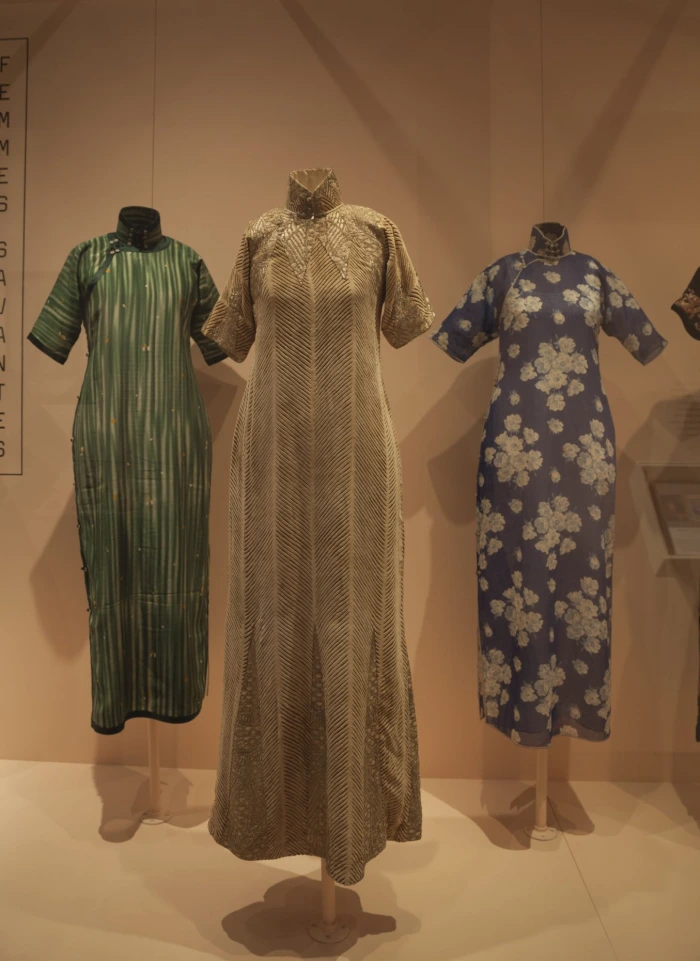
Qipao from 1910-1940s was displayed at the Museum of Chinese in America in 2013.
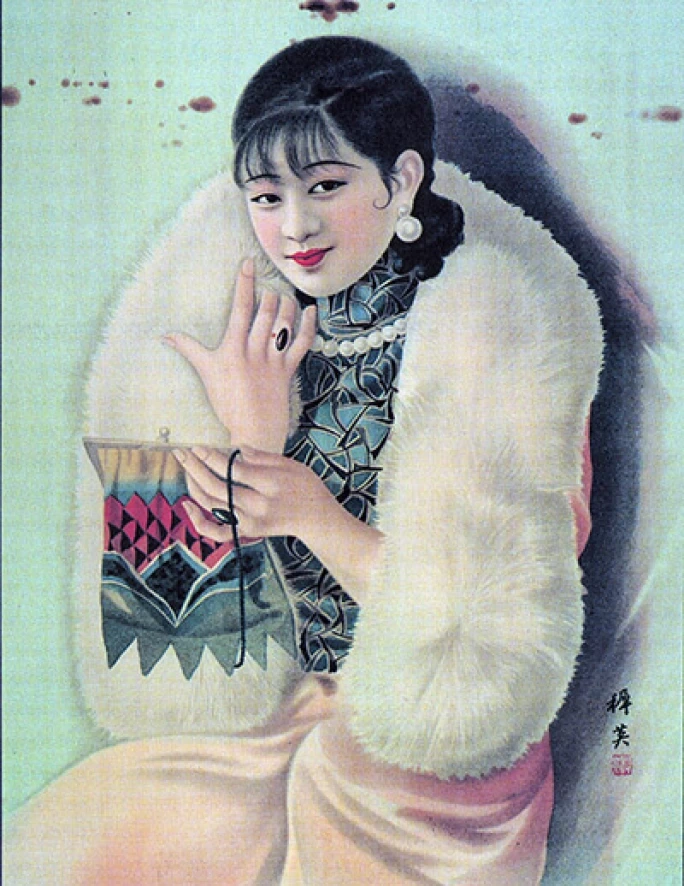
A young woman in a calendar advert wearing an Art Deco-style qipao, fox shawl, large pearl earrings, a matching necklace and a colourful bag to complete the look.
The dresses were originally looser and longer, but increased contact with Western fashion resulted in them becoming shorter and more form-fitting. During the 1930s, the booming textile industry made overseas fabrics more accessible, and a wide range of materials such as satin, woollen cloth and silk were incorporated into dress designs. Art Deco materials, Western accessories and tailoring techniques were also incorporated; set-in sleeves affected the overall shape, and qipao dresses were often paired with high heels, silk stockings and even fedoras. (In the Mood for Cheongsam: New Women in Old Shanghai Glamour at MoCA)
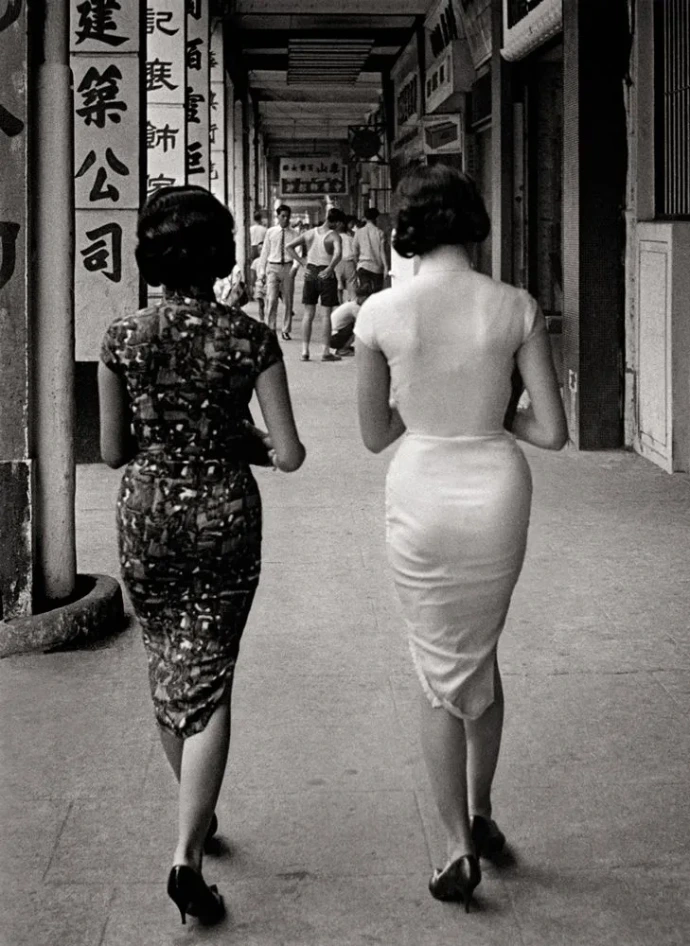
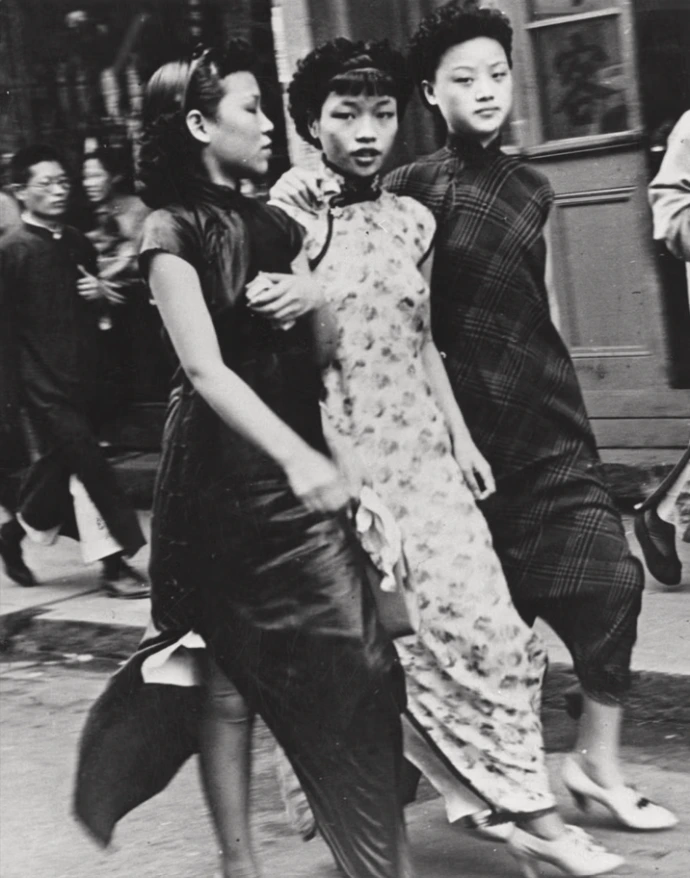
The qipaos pictured above were fashion symbols of the new modern Chinese woman in Shanghai. These women were stylish and represented China’s modernisation. However, they were also considered controversial, as they drew attention to gender roles, social class and politics.
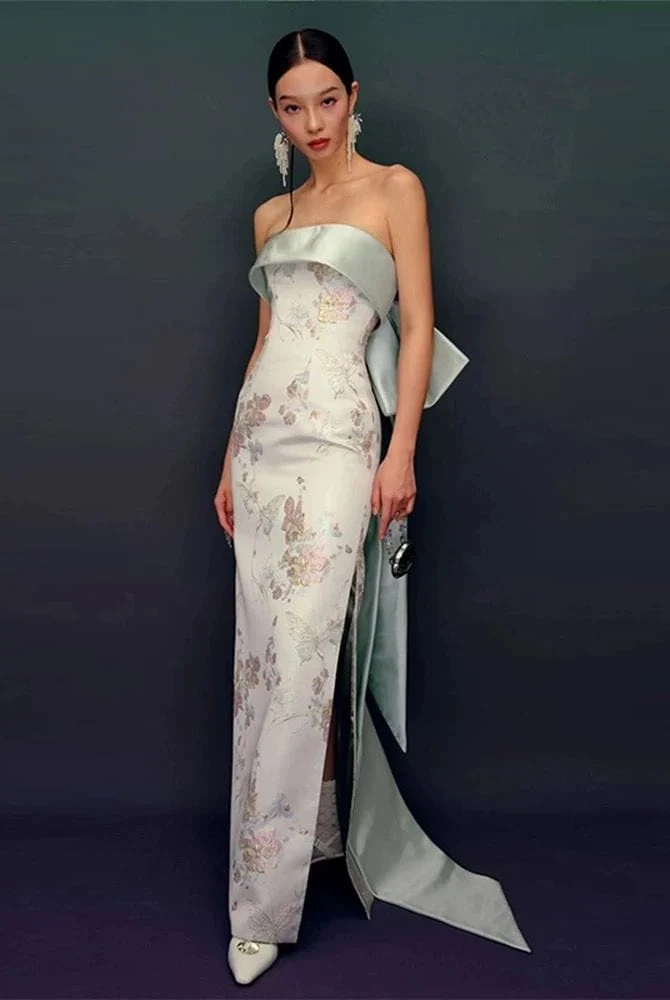
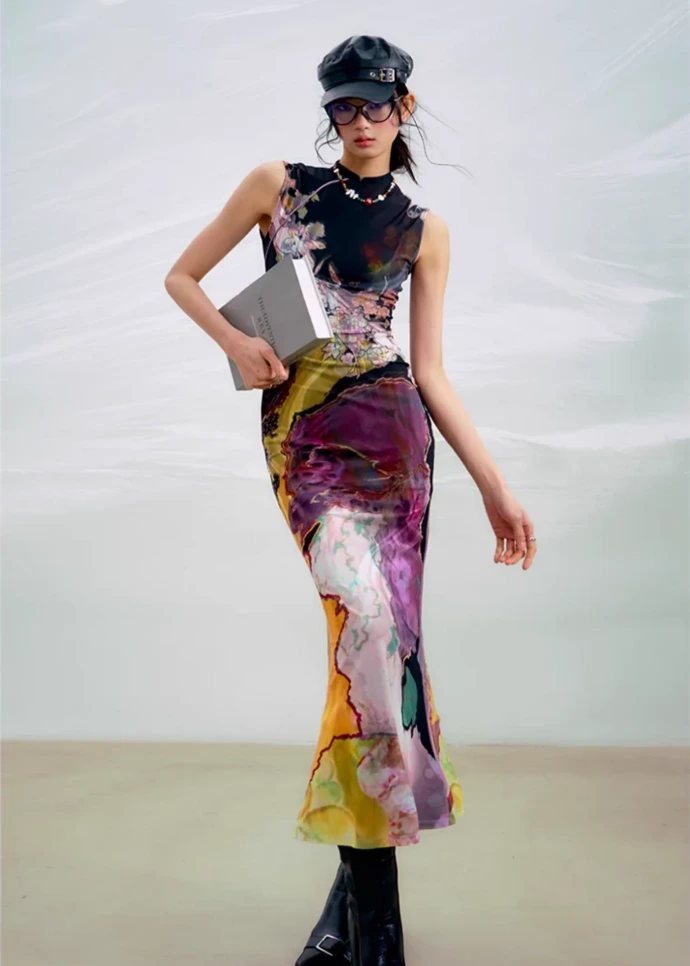
Modern qipao dresses pictured above.
Tang Suits
Despite the Tang Suit (唐装,tángzhuāng) having the word “Tang”, it did not come from the Tang Dynasty. Instead, it appeared during the Qing Dynasty (1644-1911) and evolved from a type of Manchu clothing called a magua (马褂, or ‘horse gowns'), a horse-riding jacket commonly worn during the Qing Dynasty. This hunting attire, worn by the Manchu beyond the Great Wall of China, became the basis for modern-day Tang suits.
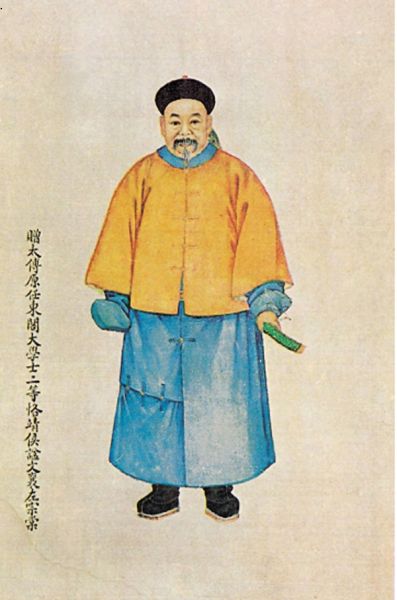
The suit got its name from the Tang Empire, which was well-known overseas as being one of the most powerful empires in the world; Chinese people were referred to as the “Tang people", and the clothing they wore became known as Tang suits.
Traditional Tang suits typically feature Chinese characters such as 福 (fú, good fortune) and 寿 (shòu, longevity) for good luck.
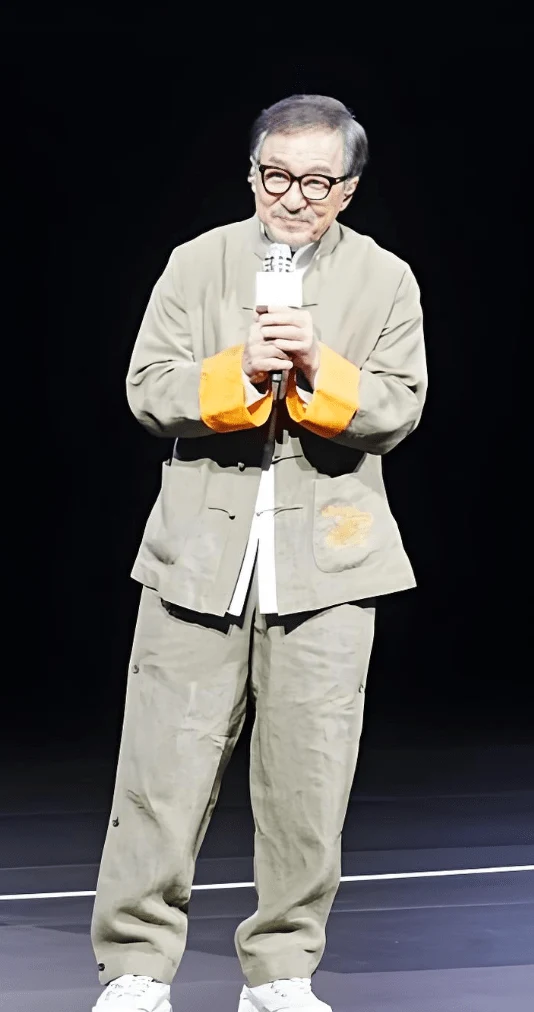
Tang Suits are recognised globally as a symbol of Chinese culture, and many Chinese celebrities such as Jackie Chan are often seen wearing them.
Zhongshan Suit
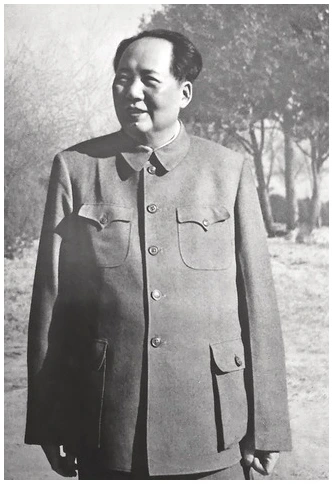
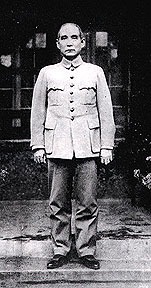
Chairman Mao Zedong (left) and Sun Yat-Sen (right)
The Zhongshan Suit (Zhōngshān zhuāng, 中山装) is also commonly referred to as the Mao suit abroad after Chairman Mao Zedong, the founder of the People’s Republic of China (PRC). The term ‘zhongshan’ comes from Dr Sun Yat-sen’s Chinese name 孙中山 (Sun Zhongshan), who proposed the suit. During the 1920s, Dr Sun Yat-sen studied abroad in Japan and combined Japanese school uniforms, Chinese clothing and Western suits to create a modern Chinese attire.
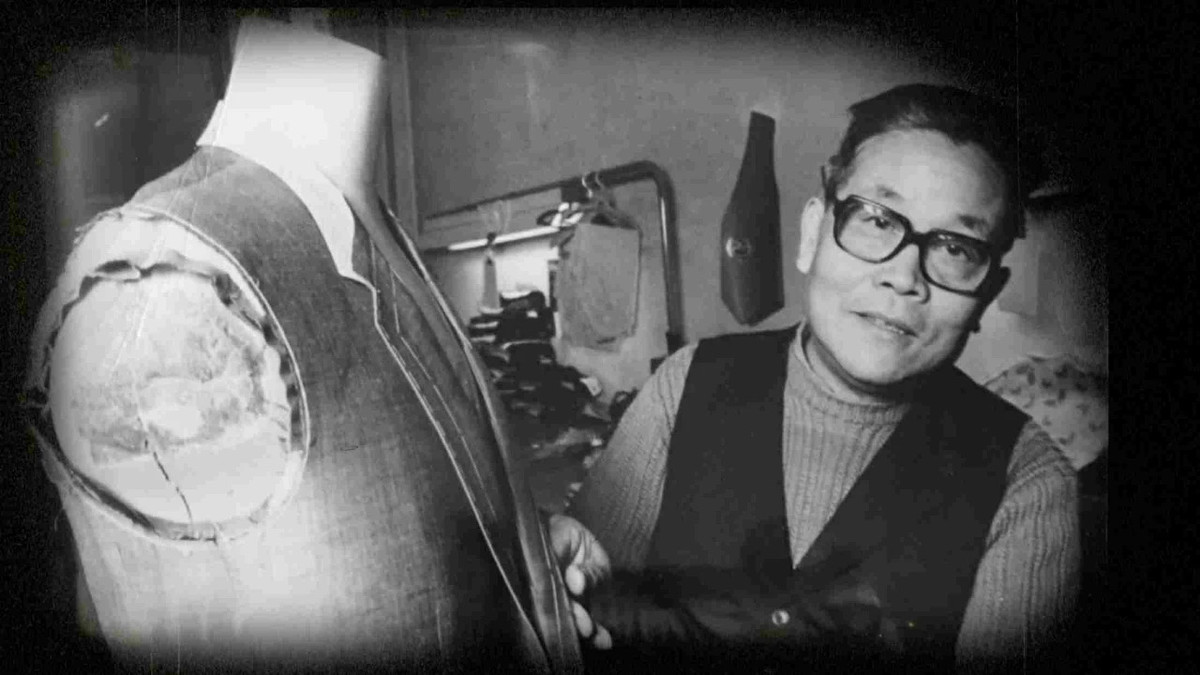
A picture of Tian Atong
In the 1930s, the Zhongshan suit became a legal uniform that was worn teachers, students and government officials. After the PRC’s establishment in 1949, a tailor named Tian Atong improved the original design, which then became an important garment worn by government officials.
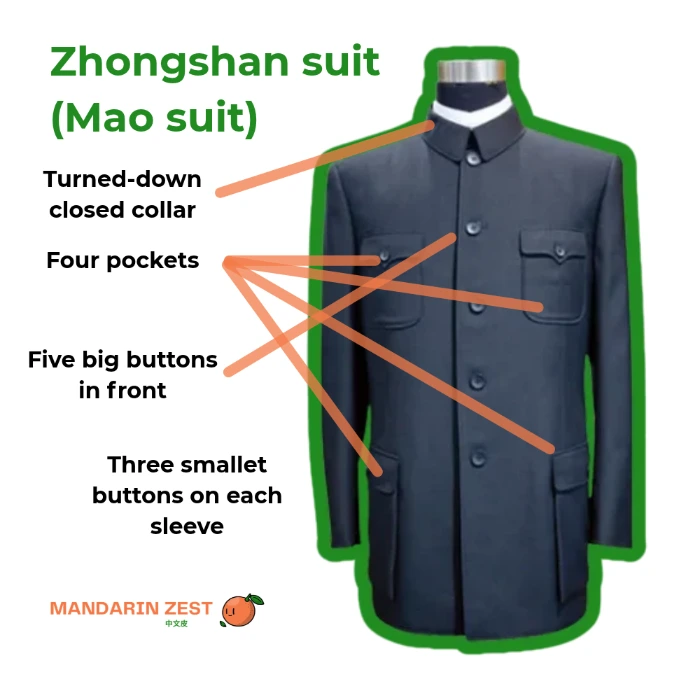
Characteristics and elements of the Zhongshuan suit include:
- Three small cufflinks at the bottom of each sleeve, representing Sun Yat-sen's Three People’s Principles: Nationalism, Democracy, and the People’s livelihood.
- Four pockets symbolise the four crucial qualities: decorum, honesty, justice and honour.
- Five front buttons reflect the independence of the five powers: examination, supervision, jurisdiction, administration, and legislation.
- A Turned-down collar reflects the country’s strict governance.
- A smooth back without vents references China’s unification.
Table of Chinese Clothing Styles
| Style | Chinese | Historical Period | Qualities |
|---|---|---|---|
| Hanfu | 汉服 | Han Chinese clothing | Over two millenia years old, popularised by 衣裳 (seperate upper and lower garments), symbolising the seperation between heaven and earth. |
| Qipao | 旗袍 | Qing Dynasty / Manchu traditions | Evolved from loose fitting robes worn by Manchu women in the Qing dynasty |
| Tang Suit | 唐装 | Modern Chinese-style inspired by traditional designs | Formerly horseman’s attire, symbol of Chinese history and culture |
| Zhongshan Suit | 中山装 | Early 20th-century | Formerly military attire, symbol of Chinese unity and national pride |
When Do People Wear Traditional Chinese Clothing?
Traditional and traditional-inspired Chinese clothing can be worn for many reasons and events; these include:
- Weddings
- Festivals
- Cultural celebrations
- Photoshoots
- Family gatherings
- Fashion events
- Formal events
- Performances
The style and type of clothing can depend on the event and personal styling choices.
Chinese Traditional Clothing Vocabulary
| Chinese | Pinyin | English |
|---|---|---|
| 汉服 | Hànfú | Hanfu |
| 旗袍 | Qípáo | Qipao |
| 唐装 | Tángzhuāng | Tang suit |
| 中山装 | Zhōngshān zhuāng | Zhongshan suit |
| 衣服 | Yīfu | Clothes |
| 盘扣 | Pán kòu | Frog / pankou button |
| 刺绣 | Cìxiù | Embroidery |
| 丝绸 | Sīchóu | Silk |
| 时尚 | Shíshàng | Fashion |
| 清代 | Qīngdài | Qing Dynasty |
FAQ
Hanfu is a type of traditional Chinese attire, but not all traditional Chinese clothing is hanfu.
Hanfu is generally considered the oldest, and it represents over two millennia of Chinese fashion before the Qing Dynasty. However, this doesn’t mean that other traditional clothing is less significant.
Despite its name, the Tang Suit did not appear during the Tang Dynasty; instead, it originated during the Qing Dynasty. The Tang Dynasty had a massive international reputation, which led to Chinese things being known as “tang”, resulting in the name ‘Tang Suit’.
Qipao dresses represent Chinese culture mixed with modernisation and women’s rights, marking a significant change in societal attitudes towards feminism, modernisation and urbanisation.
Qipao is Mandarin for a “robe of the Qi” (Manchu) people, whereas a cheongsam is Cantonese for a “long shirt” or “long gown”. Both terms can be used, but people often use 'qipao’ for traditional dresses and 'cheongsam’ to describe more modern or Westernised gowns.

Alice O'Connor
Alice is a UK-based writer and University of Leeds graduate in Asia Pacific Studies and Chinese. From her time living and studying abroad in Taipei she combines her studies with firsthand experiences to cover contemporary Chinese culture, trends, and Mandarin learning. Through her writing and storytelling, Alice helps readers connect with Chinese related topics.