
The Chinese zodiac is one of those things that almost everyone has encountered — your birth year animal on a restaurant placemat, a friend announcing their sign before Chinese New Year, the colourful illustrations on red envelopes. But most people know far less about it than they think.
The zodiac isn't just a fun personality quiz. It's a 2,000-year-old system embedded deep in Chinese culture — influencing how people think about personality, compatibility, career choices, and even when to get married or have children. Understanding it is one of the fastest ways to unlock a significant layer of Chinese cultural life that textbooks rarely touch.
This guide covers everything: how the zodiac works, the fascinating story behind it, all 12 animals with their traits and vocabulary, compatibility, and the five elements that add another dimension to the system.
What Is the Chinese Zodiac?
The Chinese zodiac (生肖, shēngxiào) is a 12-year cycle in which each year is represented by one of 12 animals. Unlike the Western zodiac, which assigns signs by month, the Chinese zodiac assigns by birth year — specifically by the year in the Chinese lunisolar calendar, which means the Chinese New Year (usually in late January or February) marks the transition between years.
The 12 animals in order are:
🐀 Rat → 🐂 Ox → 🐯 Tiger → 🐇 Rabbit → 🐉 Dragon → 🐍 Snake → 🐴 Horse → 🐑 Goat → 🐒 Monkey → 🐓 Rooster → 🐕 Dog → 🐖 Pig
The cycle then repeats. Every 12 years, your animal year returns — and this is considered both a time of personal significance and, traditionally, a somewhat unlucky year (your zodiac year, or 本命年 běnmìngnián).
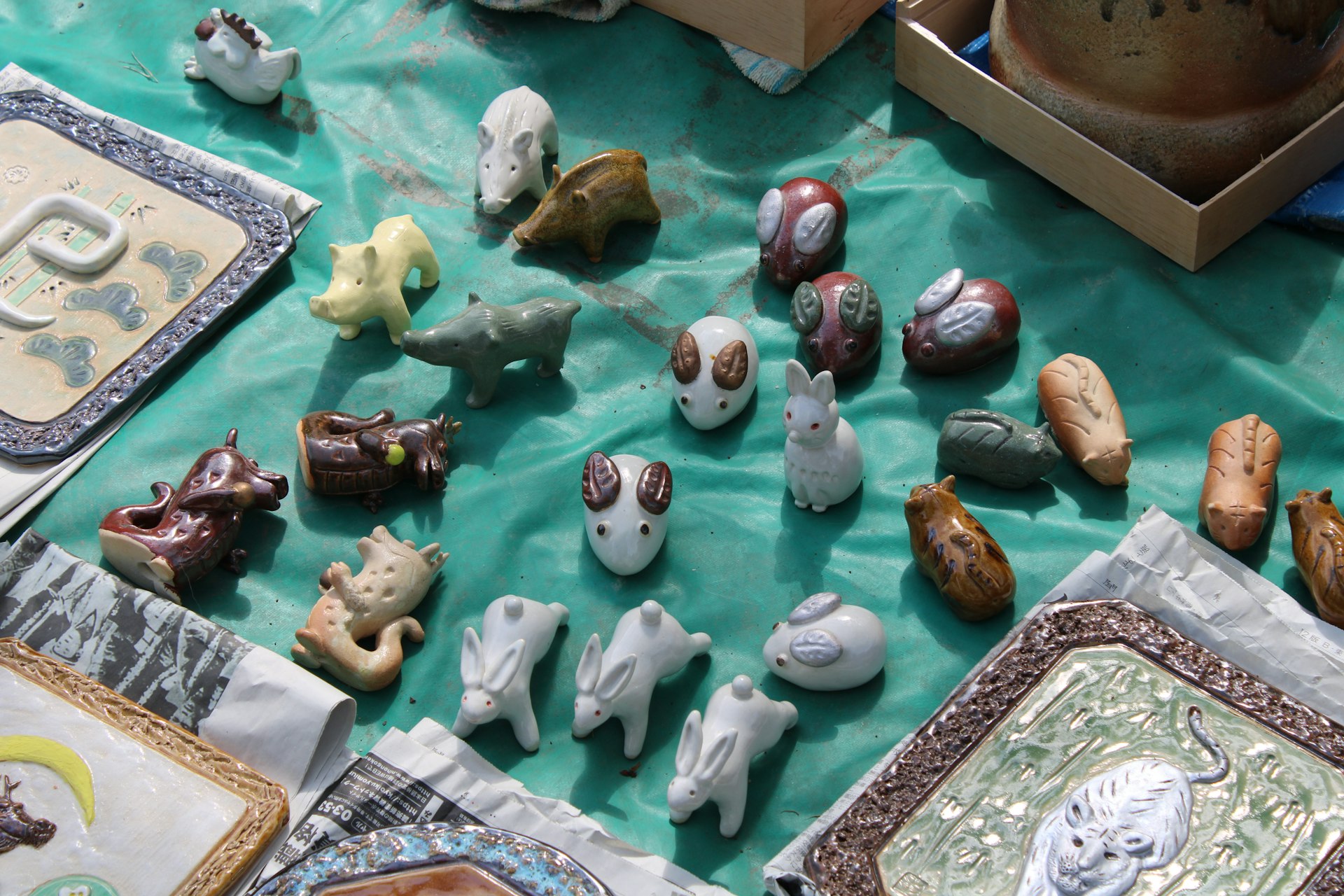
The Story Behind the Zodiac: The Great Race (大赛, Dàsài)
Why these 12 animals, in this order? The answer is one of the most beloved stories in Chinese culture — the tale of the Great Race.
According to legend, the Jade Emperor (玉皇大帝, Yùhuáng Dàdì) — the ruler of heaven — declared that the first 12 animals to cross a great river would be immortalised in the zodiac, in the order they arrived.
The Rat, knowing it was small and not a strong swimmer, struck a deal with the Ox: the Rat would navigate and keep watch from the Ox's back, and the Ox would provide the strength to cross the river. The Ox agreed — but at the very last moment, the cunning Rat leapt from the Ox's back and dashed across the finish line first. The kind Ox arrived second.
The Tiger came third, powerful but slowed by the current. The Rabbit, too small to swim, hopped across on stepping stones and a floating log, arriving fourth. The Dragon, who could have flown the whole way, stopped to bring rain to a drought-stricken village and to push the Rabbit's log to safety — arriving fifth.
The Horse thundered toward the finish, but the Snake had coiled around one of its hooves — startling the Horse and slipping past to claim sixth place. The Horse came seventh. The Goat, Monkey, and Rooster arrived together, having cooperated to cross on a raft they found — eighth, ninth, and tenth.
The Dog, an excellent swimmer, stopped to play in the river and arrived eleventh. Finally, the Pig — who stopped midway to eat and take a nap — came last in twelfth.
The Cat, traditionally the Rat's close friend, famously didn't make it at all. Different versions of the story say the Rat forgot to wake it, or deliberately let it oversleep. This is said to be why cats and rats are enemies to this day.
This story is one of the great narrative treasures of Chinese culture — and learning to read it in Chinese is a reward worth working toward.

The 12 Zodiac Animals: Complete Guide
1. 鼠 (shǔ) — Rat 🐀
Years: 1948, 1960, 1972, 1984, 1996, 2008, 2020, 2032
Personality: Quick-witted, resourceful, versatile, charming — and shrewd. Rats are natural survivors with an ability to spot opportunities others miss. They can be opportunistic and occasionally prioritise self-interest, as the Great Race story illustrates — but they're also enormously adaptable and social.
Chinese vocabulary:
| Character | Pinyin | Meaning |
|---|---|---|
| 鼠 | shǔ | rat / mouse |
| 聪明 | cōngmíng | clever, intelligent |
| 机灵 | jīlíng | quick-witted, nimble |
| 适应 | shìyìng | to adapt |
Lucky numbers: 2, 3 | Lucky colours: Blue, gold, green | Element: Water
2. 牛 (niú) — Ox 🐂
Years: 1949, 1961, 1973, 1985, 1997, 2009, 2021, 2033
Personality: Diligent, dependable, determined, honest. The Ox is the archetypal hard worker — slow and steady, utterly reliable, and deeply principled. Not given to shortcuts or cleverness, the Ox achieves through persistence what others cannot achieve through brilliance. Stubborn, occasionally to a fault.
Chinese vocabulary:
| Character | Pinyin | Meaning |
|---|---|---|
| 牛 | niú | ox, cow |
| 勤劳 | qínláo | hardworking, diligent |
| 踏实 | tāshi | dependable, down-to-earth |
| 坚持 | jiānchí | to persist, to persevere |
Lucky numbers: 1, 4 | Lucky colours: Yellow, white | Element: Earth
3. 虎 (hǔ) — Tiger 🐯
Years: 1950, 1962, 1974, 1986, 1998, 2010, 2022, 2034
Personality: Brave, confident, competitive, unpredictable. The Tiger is a natural leader with enormous personal magnetism — but one who needs to be in control. Tigers inspire loyalty and can achieve extraordinary things, but their impatience and strong will can create conflict. In Chinese culture, the Tiger is a symbol of power and protection — often used to ward off evil.
Chinese vocabulary:
| Character | Pinyin | Meaning |
|---|---|---|
| 虎 | hǔ | tiger |
| 勇敢 | yǒnggǎn | brave, courageous |
| 自信 | zìxìn | confident |
| 领导 | lǐngdǎo | to lead / leadership |
Lucky numbers: 1, 3, 4 | Lucky colours: Blue, grey, orange | Element: Wood
4. 兔 (tù) — Rabbit 🐇
Years: 1951, 1963, 1975, 1987, 1999, 2011, 2023, 2035
Personality: Gentle, elegant, alert, quick, and diplomatic. Rabbits are the peacemakers — avoiding conflict, finding compromise, and creating harmony wherever they go. They have refined taste and a strong aesthetic sense. In Chinese culture, the Rabbit is associated with the moon (月宫 yuègōng) and with longevity. In Vietnam, the Rabbit's position is taken by the Cat — making this the only animal that varies across East Asian zodiac traditions.
Chinese vocabulary:
| Character | Pinyin | Meaning |
|---|---|---|
| 兔 | tù | rabbit |
| 温柔 | wēnróu | gentle, tender |
| 优雅 | yōuyǎ | elegant, graceful |
| 和平 | hépíng | peace |
Lucky numbers: 3, 4, 6 | Lucky colours: Red, pink, purple | Element: Wood
5. 龙 (lóng) — Dragon 🐉
Years: 1952, 1964, 1976, 1988, 2000, 2012, 2024, 2036
Personality: Ambitious, energetic, fearless, charismatic — and the only mythical animal in the zodiac. The Dragon is the most auspicious sign in the Chinese zodiac, associated with imperial power, luck, and strength. Dragon years see a significant spike in birth rates in China, as parents hope to give their children the Dragon's fortune. Dragons are natural visionaries but can be demanding and arrogant.
Chinese vocabulary:
| Character | Pinyin | Meaning |
|---|---|---|
| 龙 | lóng | dragon |
| 威风 | wēifēng | impressive, majestic |
| 有魄力 | yǒu pòlì | bold, decisive |
| 吉祥 | jíxiáng | auspicious, lucky |
Lucky numbers: 1, 6, 7 | Lucky colours: Gold, silver, grey | Element: Earth
6. 蛇 (shé) — Snake 🐍
Years: 1953, 1965, 1977, 1989, 2001, 2013, 2025, 2037
Personality: Wise, intuitive, elegant, private. Snakes are deep thinkers who rarely reveal what they're thinking. They have strong instincts and are often drawn to philosophy, art, and mystery. In Chinese culture, the Snake is associated with wisdom rather than danger — the "little dragon" (小龙 xiǎo lóng) as some call it. Snakes can be possessive and distrustful, but their emotional intelligence is formidable.
Chinese vocabulary:
| Character | Pinyin | Meaning |
|---|---|---|
| 蛇 | shé | snake |
| 聪慧 | cōnghuì | wise, intelligent |
| 直觉 | zhíjué | intuition |
| 神秘 | shénmì | mysterious |
Lucky numbers: 2, 8, 9 | Lucky colours: Black, red, yellow | Element: Fire
7. 马 (mǎ) — Horse 🐴
Years: 1954, 1966, 1978, 1990, 2002, 2014, 2026, 2038
Personality: Energetic, animated, active, independent. Horses are free spirits who thrive on movement and excitement. They're charming, communicative, and quick to make friends — but commitment can be a challenge. The Horse has an adventurous soul and a low tolerance for routine. In Chinese culture, the Horse is a symbol of success and freedom.
Chinese vocabulary:
| Character | Pinyin | Meaning |
|---|---|---|
| 马 | mǎ | horse |
| 活泼 | huópō | lively, vivacious |
| 独立 | dúlì | independent |
| 热情 | rèqíng | enthusiastic, passionate |
Lucky numbers: 2, 3, 7 | Lucky colours: Yellow, green | Element: Fire
8. 羊 (yáng) — Goat 🐑
Years: 1955, 1967, 1979, 1991, 2003, 2015, 2027, 2039
Personality: Calm, gentle, creative, thoughtful. Goats are the artists and dreamers of the zodiac — sensitive, empathetic, and drawn to beauty and creativity. They prefer cooperation to competition and are deeply compassionate. In Chinese, 羊 (yáng) covers goats, sheep, and rams, so this sign is sometimes called Sheep or Ram. It's one of the most culturally nuanced signs — beloved for gentleness, sometimes teased for indecisiveness.
Chinese vocabulary:
| Character | Pinyin | Meaning |
|---|---|---|
| 羊 | yáng | goat / sheep |
| 温和 | wēnhé | mild, gentle |
| 创意 | chuàngyì | creativity |
| 善良 | shànliáng | kind-hearted |
Lucky numbers: 2, 7 | Lucky colours: Green, red, purple | Element: Earth
9. 猴 (hóu) — Monkey 🐒
Years: 1956, 1968, 1980, 1992, 2004, 2016, 2028, 2040
Personality: Clever, witty, curious, mischievous. Monkeys are the tricksters and innovators — endlessly curious, quick learners, and naturally funny. They're often the most entertaining person in the room but can be unreliable or manipulative when their cleverness goes unchecked. The Monkey is deeply embedded in Chinese culture through the iconic character 孙悟空 (Sūn Wùkōng, the Monkey King) from Journey to the West — arguably the most famous fictional figure in Chinese literature.
Chinese vocabulary:
| Character | Pinyin | Meaning |
|---|---|---|
| 猴 | hóu | monkey |
| 机智 | jīzhì | witty, quick-minded |
| 好奇 | hàoqí | curious |
| 灵活 | línghuó | flexible, nimble |
Lucky numbers: 4, 9 | Lucky colours: White, blue, gold | Element: Metal
10. 鸡 (jī) — Rooster 🐓
Years: 1957, 1969, 1981, 1993, 2005, 2017, 2029, 2041
Personality: Observant, hardworking, courageous, confident — and occasionally vain. Roosters are perfectionists with sharp eyes for detail. They're punctual, organised, and practical, and they don't shy away from difficult truths. The Rooster's association with dawn in Chinese culture runs deep — 鸡叫 (jī jiào, the rooster crows) is a classic metaphor for a new beginning. Roosters can come across as critical, but their high standards apply to themselves as much as others.
Chinese vocabulary:
| Character | Pinyin | Meaning |
|---|---|---|
| 鸡 | jī | chicken / rooster |
| 细心 | xìxīn | careful, attentive |
| 勤奋 | qínfèn | hardworking, diligent |
| 实际 | shíjì | practical, realistic |
Lucky numbers: 5, 7, 8 | Lucky colours: Gold, brown, yellow | Element: Metal
11. 狗 (gǒu) — Dog 🐕
Years: 1958, 1970, 1982, 1994, 2006, 2018, 2030, 2042
Personality: Loyal, honest, kind, cautious. The Dog is perhaps the most universally beloved sign — defined by its faithfulness and its deep sense of right and wrong. Dogs are natural advocates for fairness and can be fiercely protective of those they love. They can be pessimistic and anxious, but their reliability makes them among the most trusted of the zodiac signs. In Chinese culture, the Dog is also considered a guardian figure.
Chinese vocabulary:
| Character | Pinyin | Meaning |
|---|---|---|
| 狗 | gǒu | dog |
| 忠诚 | zhōngchéng | loyal, faithful |
| 正直 | zhèngzhí | honest, upright |
| 保护 | bǎohù | to protect |
Lucky numbers: 3, 4, 9 | Lucky colours: Red, green | Element: Earth
12. 猪 (zhū) — Pig 🐖
Years: 1959, 1971, 1983, 1995, 2007, 2019, 2031, 2043
Personality: Compassionate, generous, diligent, honest — and thoroughly enjoyable to be around. Pigs have a genuine love of life and an easy generosity that draws people to them. Despite coming last in the Great Race (because it stopped to eat and nap), the Pig is associated with good fortune and abundance in Chinese culture. The Pig is not lazy — it's someone who knows how to enjoy the good things in life.
Chinese vocabulary:
| Character | Pinyin | Meaning |
|---|---|---|
| 猪 | zhū | pig |
| 慷慨 | kāngkǎi | generous |
| 乐观 | lèguān | optimistic |
| 享受 | xiǎngshòu | to enjoy |
Lucky numbers: 2, 5, 8 | Lucky colours: Yellow, grey, brown | Element: Water
The Five Elements: Another Layer of the System
The 12-year zodiac cycle is further divided by the Five Elements (五行, wǔxíng): Wood (木), Fire (火), Earth (土), Metal (金), and Water (水). Each element cycles through the zodiac on a 10-year pattern, meaning the full cycle repeats every 60 years — and your precise zodiac sign is determined by both your animal and your element.
For example: someone born in 1984 is a Wood Rat. Someone born in 1996 is a Fire Rat. Someone born in 2008 is an Earth Rat. The element modifies the animal's core personality and influences fortune and compatibility.
| Element | Years ending in | Qualities |
|---|---|---|
| Metal (金) | 0, 1 | Strong, determined, ambitious |
| Water (水) | 2, 3 | Flexible, intuitive, creative |
| Wood (木) | 4, 5 | Compassionate, generous, ethical |
| Fire (火) | 6, 7 | Dynamic, passionate, confident |
| Earth (土) | 8, 9 | Reliable, practical, patient |
Compatibility: Which Signs Get Along?
Chinese zodiac compatibility is a rich topic in its own right, but the basic framework groups the 12 animals into three sets of highly compatible "triangles" and one set of opposing signs:
Compatible triangles:
- 🐀 Rat + 🐉 Dragon + 🐒 Monkey (clever, energetic, ambitious)
- 🐂 Ox + 🐍 Snake + 🐓 Rooster (steady, hardworking, practical)
- 🐯 Tiger + 🐴 Horse + 🐕 Dog (brave, loyal, freedom-loving)
- 🐇 Rabbit + 🐑 Goat + 🐖 Pig (gentle, creative, kind)
Opposing pairs (traditionally challenging):
- Rat ↔ Horse
- Ox ↔ Goat
- Tiger ↔ Monkey
- Rabbit ↔ Rooster
- Dragon ↔ Dog
- Snake ↔ Pig
Key Chinese Zodiac Vocabulary
Here's a consolidated vocabulary set for discussing the zodiac in Chinese:
| Character | Pinyin | Meaning |
|---|---|---|
| 生肖 | shēngxiào | Chinese zodiac |
| 属相 | shǔxiàng | zodiac sign (colloquial) |
| 你属什么? | Nǐ shǔ shénme? | What's your zodiac sign? |
| 我属龙。 | Wǒ shǔ lóng. | I'm a Dragon. |
| 本命年 | běnmìngnián | one's zodiac year (12-year return) |
| 五行 | wǔxíng | the Five Elements |
| 运气 | yùnqi | luck, fortune |
| 相合 | xiānghé | compatible |
| 相冲 | xiāngchōng | conflicting (zodiac clash) |
| 农历 | nónglì | lunar calendar |
| 春节 | Chūnjié | Spring Festival / Chinese New Year |
| 吉祥 | jíxiáng | auspicious, lucky |
The most useful phrase: 你属什么?(Nǐ shǔ shénme?) — "What's your zodiac sign?" — is one of the most natural conversation-starters in Chinese. Learn this and you'll use it immediately.
What Year Is It in the Chinese Zodiac?
The Chinese calendar doesn't follow the Gregorian calendar exactly — each new zodiac year begins with Chinese New Year, which falls between late January and mid-February. This means if you were born in January or early February, your zodiac year might be the one before your birth year on the Gregorian calendar.
Go Deeper: The Story of the Great Race in Chinese
If the Great Race story captured your imagination, there's a wonderful way to engage with it further as a Chinese learner.
The Chinese Zodiac: The Story of the Great Race workbook (HSK 3–4) is a 50-page graded reader and workbook built around the legend. You read the full story in Chinese at HSK 3–4 level, then work through 20 pages of interactive exercises, grammar explanations, vocabulary practice, and comprehension activities. The workbook also goes deeper into the zodiac itself — all 12 animals, the Five Elements, personality traits, lucky symbols, and compatibility.
It's one of the most culturally immersive ways to practise intermediate Chinese while learning something genuinely fascinating.
Learning Chinese?
Get our HSK 3–4 workbook based on the Story of the Great Race.
Learn about the Chinese zodiac while improving your reading and writing skills!
Final Thoughts
The Chinese zodiac is one of those entry points into Chinese culture that keeps going deeper the more you explore it. What starts as "I'm a Dragon" opens into a 2,000-year-old system of storytelling, philosophy, and cultural meaning that shapes how hundreds of millions of people think about personality, relationships, and fortune.
Learning the 12 animals — their Chinese characters, their stories, and their place in the system — gives you vocabulary, cultural insight, and conversation material in one. Try using 你属什么?with the next Chinese speaker you meet. The conversation that follows will be worth far more than the two seconds it took to learn the phrase.
FAQ
According to legend, the Cat and the Rat were friends who both intended to ask the Jade Emperor about the zodiac race. The Rat forgot (or deliberately failed) to wake the Cat, and the Cat arrived too late to be included. This is said to be why cats and rats are natural enemies. In some Vietnamese traditions, the Cat replaces the Rabbit in the zodiac — making it the one variation across different Asian zodiac systems.
Largely yes — Japan, Korea, Vietnam, and several other Asian countries use the same 12-animal cycle, with minor variations (Vietnam uses the Buffalo instead of the Ox, and the Cat instead of the Rabbit). The fundamental system originated in China and spread across East and Southeast Asia.
It varies enormously. Many people, especially younger generations, treat it like Western astrology — fun and culturally interesting but not taken literally. Others, particularly older generations and in certain cultural contexts, take compatibility and fortune predictions quite seriously. Zodiac-based decisions around marriage, business partnerships, and children's births are still genuine considerations for many families.
Your zodiac year returns every 12 years — at ages 12, 24, 36, 48, and so on. It's considered a year of both opportunity and challenge. Traditional practice recommends wearing red (often a gift from parents or a partner) throughout the year to ward off bad luck. Despite this, 本命年 is approached with both caution and celebration.
Simply find your birth year in the animal lists above — but remember to check whether you were born before or after Chinese New Year in that year. The easiest way is the free Mandarin Zest zodiac tool, which gives you your exact sign, element, and compatibility.