Perhaps you’ve heard of the Mid-Autumn Festival (Zhōngqiū jié 中秋节), come across mooncakes, or you’ve never even heard these words before.
The Mid-Autumn Festival (also known as the Moon Festival or Mooncake Festival) falls on the 15th day of the 8th lunisolar month. The Moon Festival celebrates the autumn harvest through family gatherings, reunions and celebrations. This year it falls on Friday, 25th September.
What is the Moon Festival and its History?
The Mid-Autumn Festival is celebrated annually in China, Taiwan, and the wider Chinese community, where families get together in the evening to celebrate under the moonlight. The festival is over two millennia old and is traced back to the feudal era, when emperors prayed to the heavens for a lucky and successful year. Moon gazing first appeared during the Tang Dynasty (618-907), and festival activities became popular during the Ming (1368-1644) and Qing dynasties (1644-1911).
During this period, the emperor’s prayers overlapped with farmers finishing their harvests after a long farming season and would take a break before the winter months. This break slowly spread among the wider population, creating the Mid-Autumn Festival. Other Asian countries also have similar autumn festivals, such as Japan’s Tsukimi or Otsukimi, Vietnam’s Tẽt Trung Thu and Korea’s Chuseok (How Different Countries Celebrate the Mid-Autumn Festival).
Currently, the Mid-Autumn Festival is a national holiday in China, and people receive a 3-day break, with many schools, offices and government offices closing.
The Mythical Beginnings of the Mid-Autumn Festival
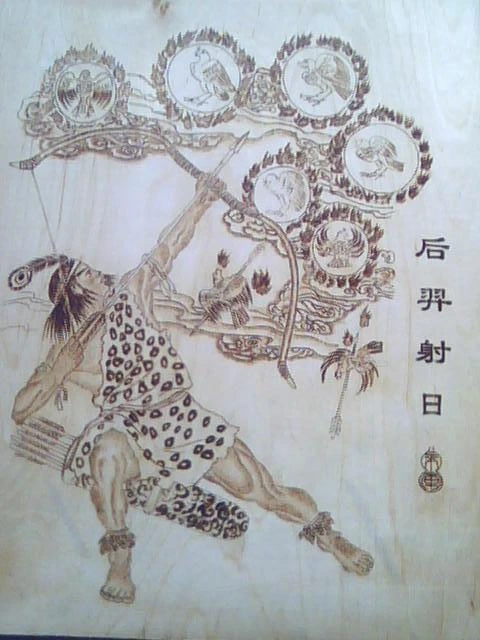
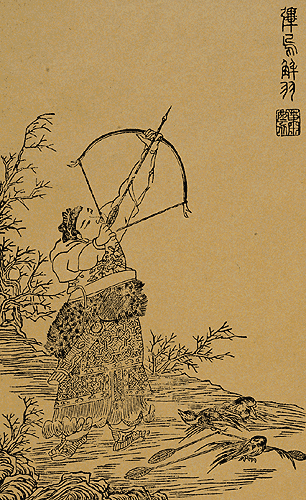
The story behind the Moon Festival begins with a powerful and talented archer named Hòu Yì (后羿) and his beautiful wife, Chang'e (Chàng è, 嫦娥). The myth has several different versions, but the two main stories are as follows:
One day, ten scorching suns (sometimes believed to be the Jade Emperor’s ten sons) appeared in the sky and dried up the earth’s plants and land. The unbearable conditions and scalding temperatures caused the rivers and oceans to dry up, and People suffered from the shortage of food and water.
Desperate for help, Hou Yi was tasked with using his bow and arrows to shoot down the suns in the sky; with each shot, he transformed them into three-legged ravens, leaving all but one. After finishing his assignment, the gods bestowed Hou Yi with an elixir of immortality. However, Hou Yi, deeply in love with his wife, refused to be granted immortality alone and decided to hide the magical potion.
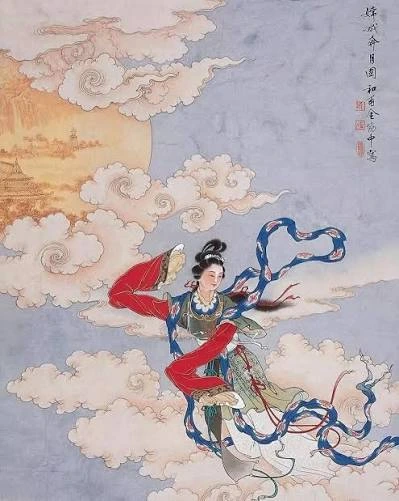
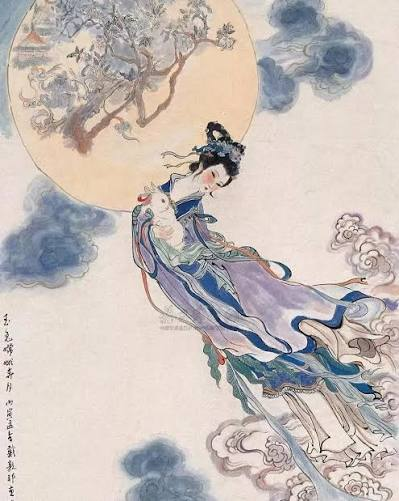
One day, Hou Yi’s nemesis Fengmeng wanted the elixir for himself and broke into their home while Hou Yi was away. Chang'e, not wanting the potion to fall into Fengmeng’s hands, drank the elixir of immortality. The magical potion caused Chang’e to drift up into the sky, rising higher and higher until she reached the moon. In another version, Chang’e couldn’t contain her curiosity and waited for Houyi to leave home, where she drank the elixir in secret and was punished by the gods to live on the moon in exile.
After returning home, Hou Yi, unable to find his wife, discovers the empty bottle discarded on the floor and, upon realising what happened, shouts up at the night sky in frustration, where he catches a glimpse of the full moon and sees a figure resembling Chang’e. Heartbroken and pining for his wife, Hou Yi decides to lay out a display of all her favourite foods under the full moon, which eventually became people eating mooncakes with their family members. Another belief is that the Queen Mother of the Western Paradise sends Hou Yi to the last remaining sun and gives him a special cake that gives him fire/heat resistance.
There are multiple different versions of the tale, but these two are the most popular. Other tales describe a sorcerer who creates a bridge to the moon or a man on the moon who has to cut down a giant towering tree once every millennium, and even the legend of the Jade Rabbit (玉兔, yù tù)! Many cultures around the world similarly have stories of a rabbit on the moon.
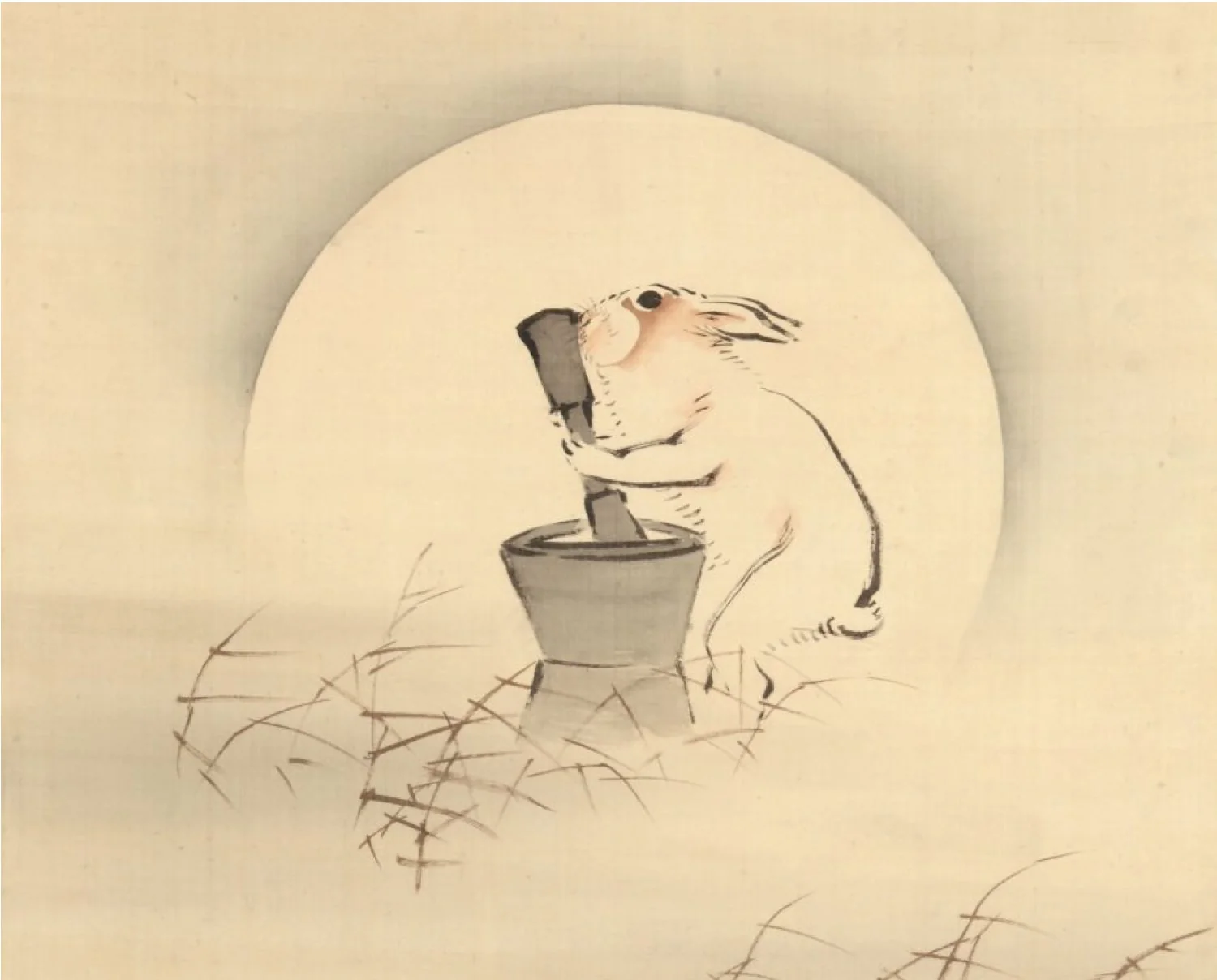
Every day on the 15th day of the 8th lunisolar month, people gather and celebrate family reunions and gaze up at the full moon.
Fun Fact: It is believed that if you look at the moon, you might spot the Jade Rabbit with a pestle and mortar grinding herbs to make the elixir of immortality.
Hou Yi Vocabulary
| Chinese | Pinyin | English |
|---|---|---|
| 弓箭 | Gōng jiàn | Bow and arrows |
| 英雄 | Yīng xióng | Hero |
| 玉皇大帝 | Yù Huáng Dà Dì | Jade Emperor |
| 仙药 | Xiān yào | Elixir of immortality |
| 宿敌 | Sù dí | Nemesis |
| 背叛 | Bèi pàn | To betray/ betrayal |
| 西王母 | Xī Wáng Mǔ | Queen Mother of the West |
| 恩赐 | Ēn cì | Gift given/ bestowed by the gods |
| 太阳 | Tài yáng | Sun |
| 思念 | Sì niàn | To miss someone deeply |
Our Materials
Check out our dedicated materials, designed by teachers for learners.
Mid-Autumn Moon Festival Celebrations
Family Gatherings
The Moon Festival is a time for families to reunite and enjoy a large feast together. People often travel long distances to gather with their family and loved ones, where they look up at the bright full moon together.
Offerings
In reminiscence of Hou Yi, who left his wife’s favourite foods out under the moonlight, offerings such as incense, fruits and mooncakes are laid out for Chang’e. The items placed on altars are often round, imitating the moon’s fullness to symbolise family gatherings and unity.
Lanterns
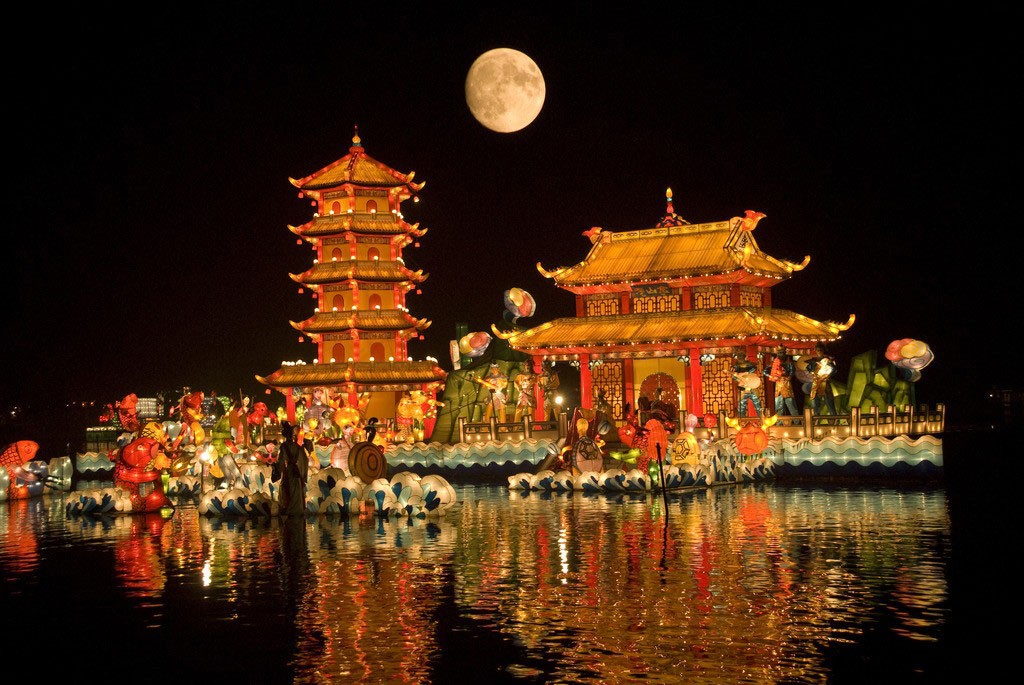
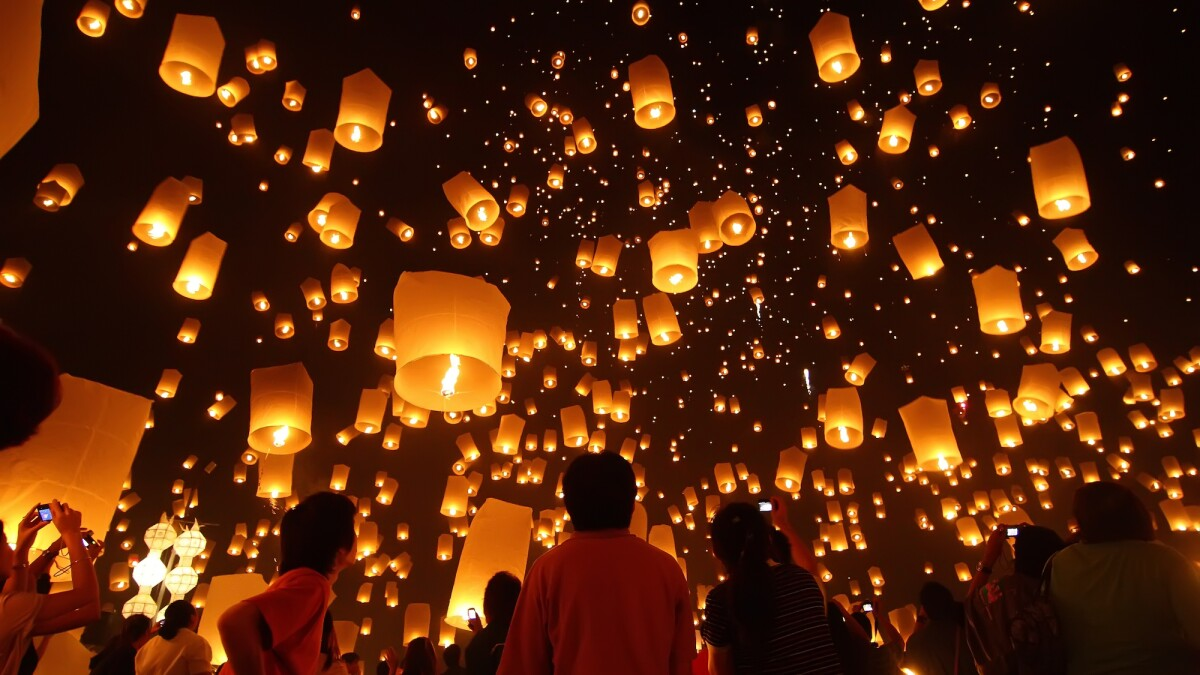
You can also see brightly coloured lanterns hanging at night, decorating neighbourhoods. Lanterns crafted from silk or paper are strung up as decorations, and in some areas sky lanterns are released carrying wishes up into the heavens. Riddles are also attached to lanterns, and friend groups solve them, sometimes even earning a prize.
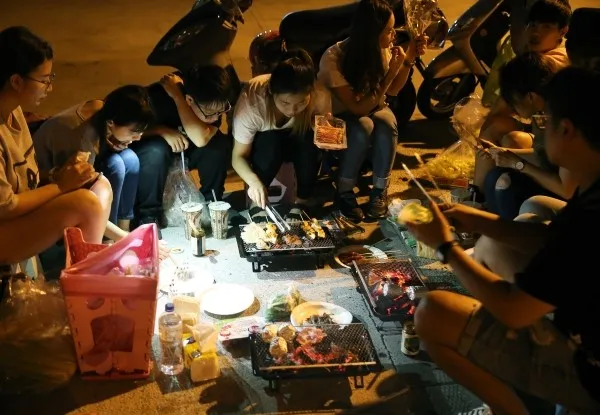
BBQ
In Taiwan,n night-time barbecues are extremely popular. If you go for a walk, you’ll spot families sitting alongside the road in front of their houses or garages enjoying a BBQ! This became popular after a successful advert in the 1980s with the slogan “One family barbeques, ten thousand families smell the aroma.” (Watch The Unusual Origins of the Mid-Autumn BBQs by Taiwan Plus News)
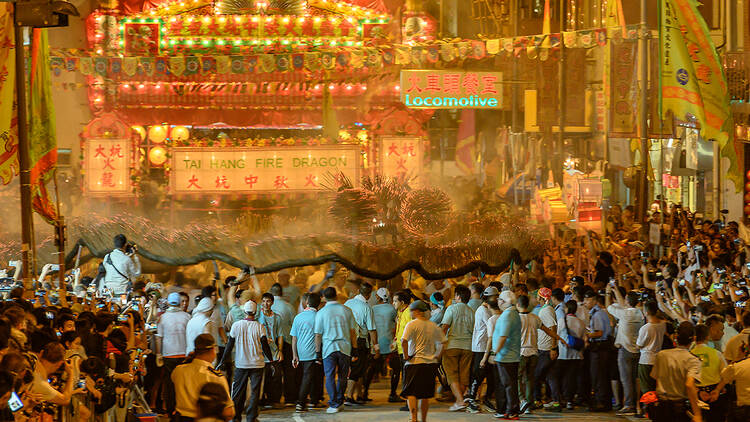
Fire Dragon Dance
Popular in Hong Kong, the fire dragon dance is held every year, lasts for three nights, and is recognised as a National Intangible Cultural Heritage. Spectators gather to watch the 67-metre-long dragon parade through the streets, held up by over 300 people, and audience members are given incense sticks to hold. (If you want to watch a video of the performance and find out more, watch: Vibrant Hong Kong: Tai Hang Fire Dragon Dance)
Mooncakes
Mooncakes are traditional pastries with a rich, dense centre, commonly containing green lotus paste and have been a staple food of the Autumn Festival, representing family unity. To make them, the filling is rolled between the palms of your hands to form a ball. The filling is then covered in dough and pressed into a mould to stamp a pattern onto the surface. The mooncakes are then baked in an oven and brushed with a light egg yolk wash, giving them their shiny appearance.
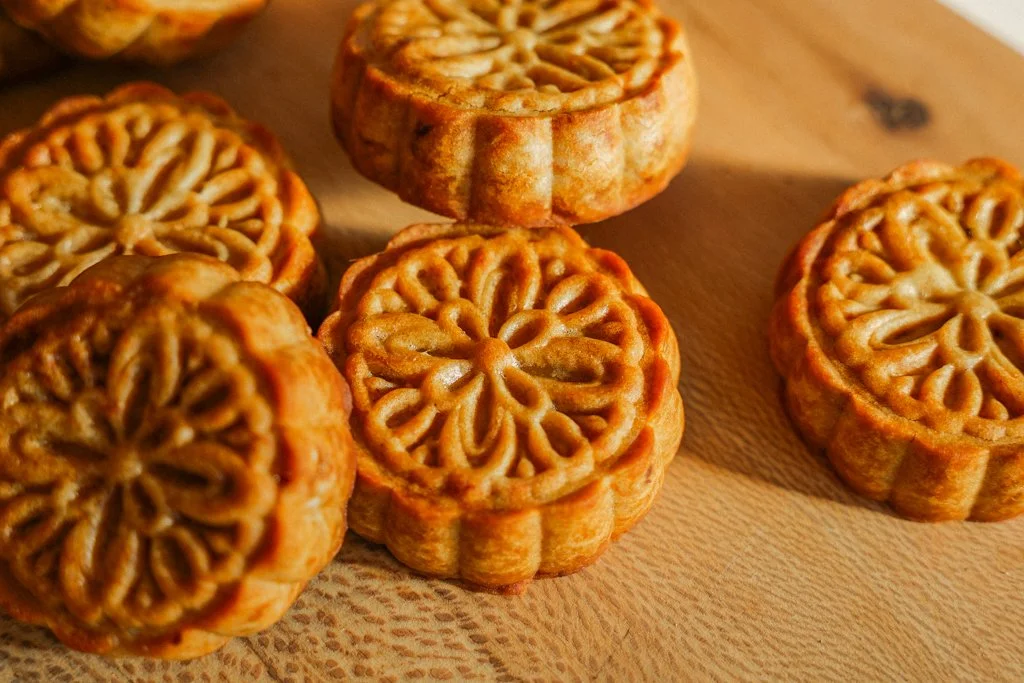
Their surfaces hold intricately carved patterns and designs, often wishing for longevity and blessings, and their round shape reflects the full moon, symbolising harmony and family unity.
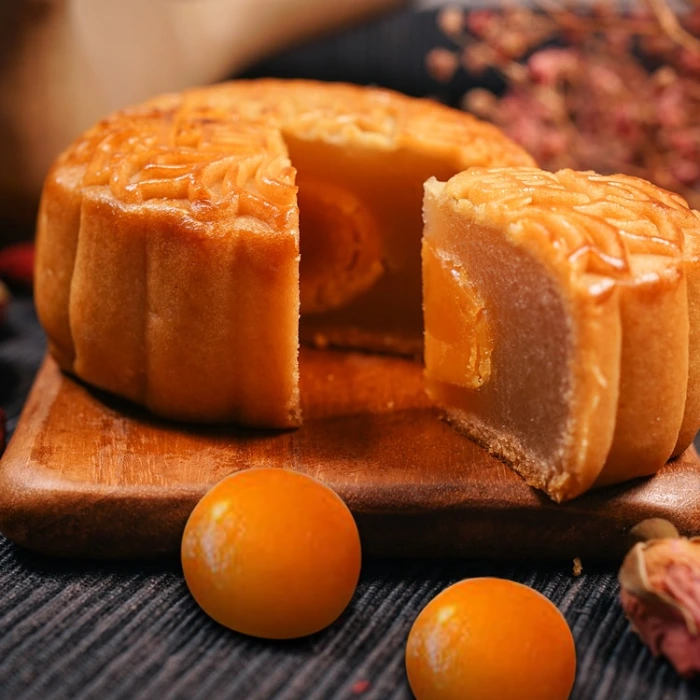
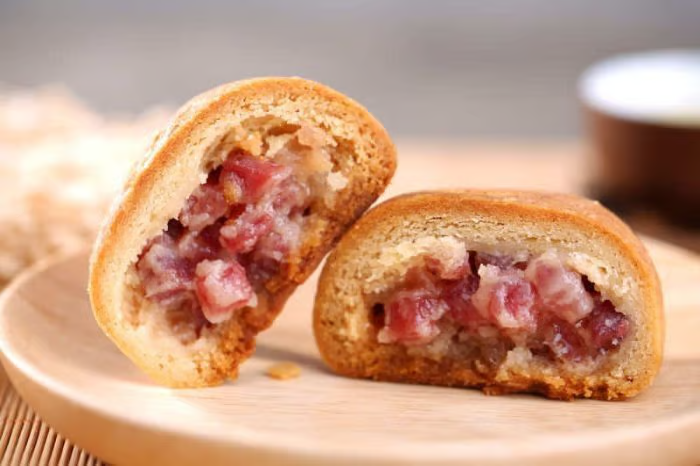
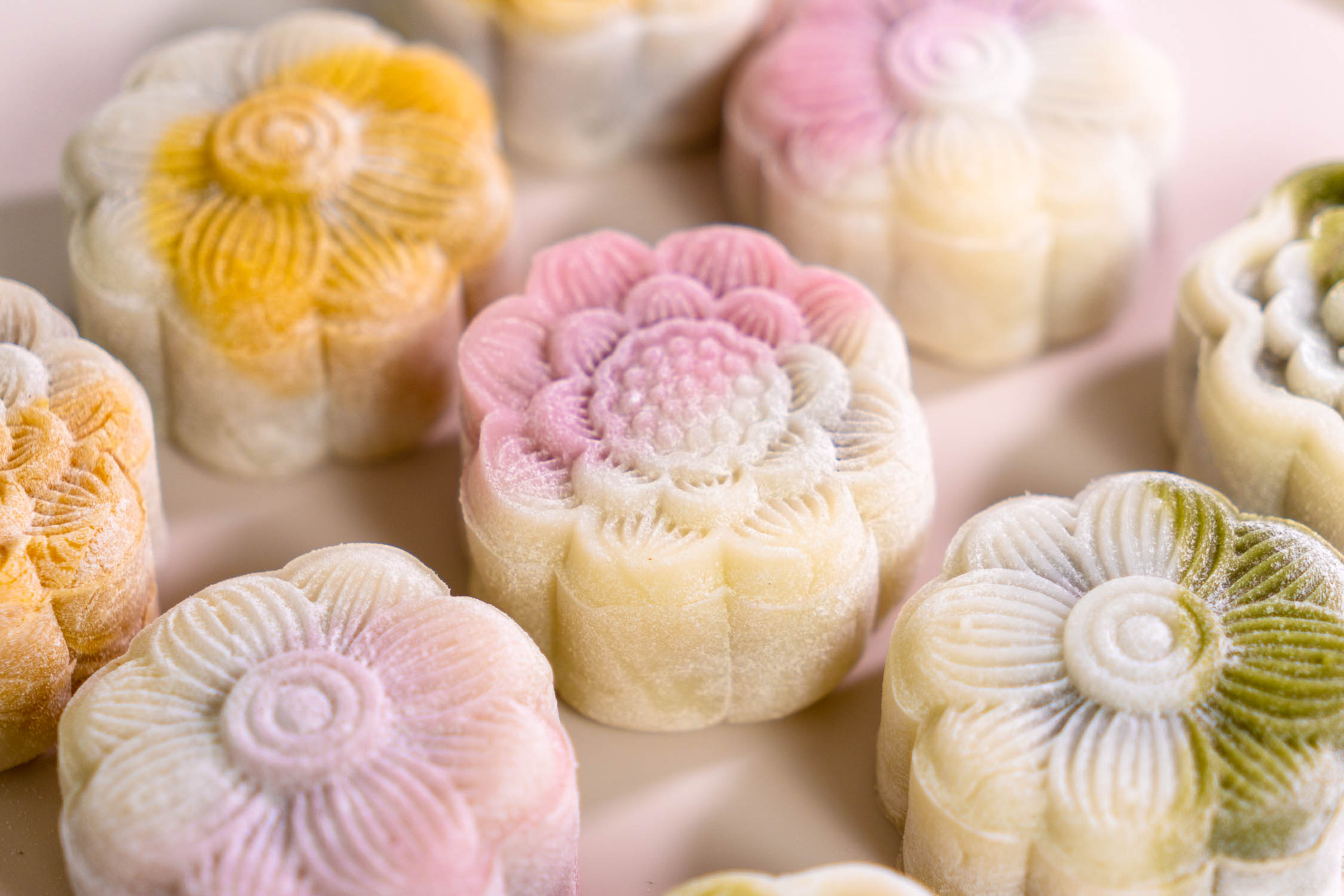
There are many different types and flavours, such as salted egg yolk, red bean, minced pork, mixed nuts and durian. These special treats can also vary by region; for example, Suzhou-style mooncakes are multi-layered and flaky, made with lard, and in Yunnan, diced ham mooncakes with honey are extremely popular, mixing sweet and salty. On the other hand, Cantonese mooncakes (which you may be more familiar with) are sweet and dense, typically containing salted egg yolks, which represent the full moon. More modern types include snow skin, lava custard, Oreo, or even ice cream!
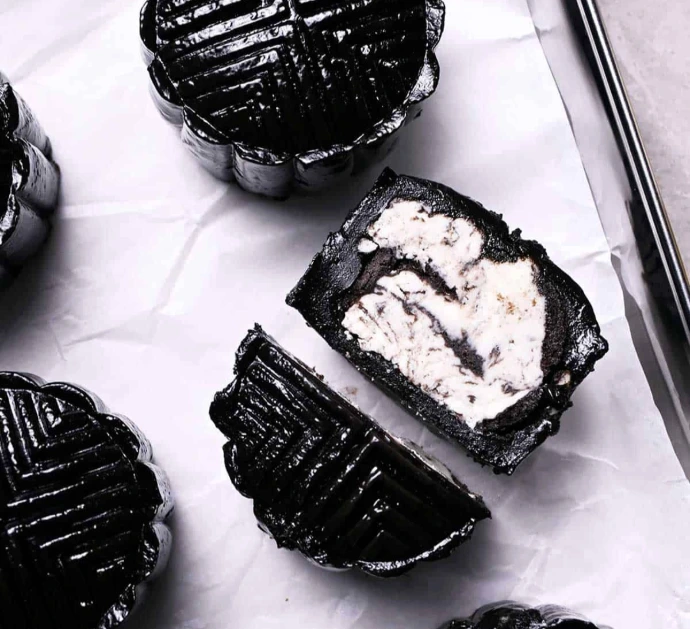
The moon has been associated with the festival since the Song Dynasty (1127-1279), and in southern parts of the Dynasty, people would send mooncakes as gifts to family members.
Similarly to the Qixi Festival (Chinese Valentine's Day: The Qixi Festival, What It Is and How to Celebrate), brands have been creating luxury limited-edition gifts to appeal to customers during the celebrations.
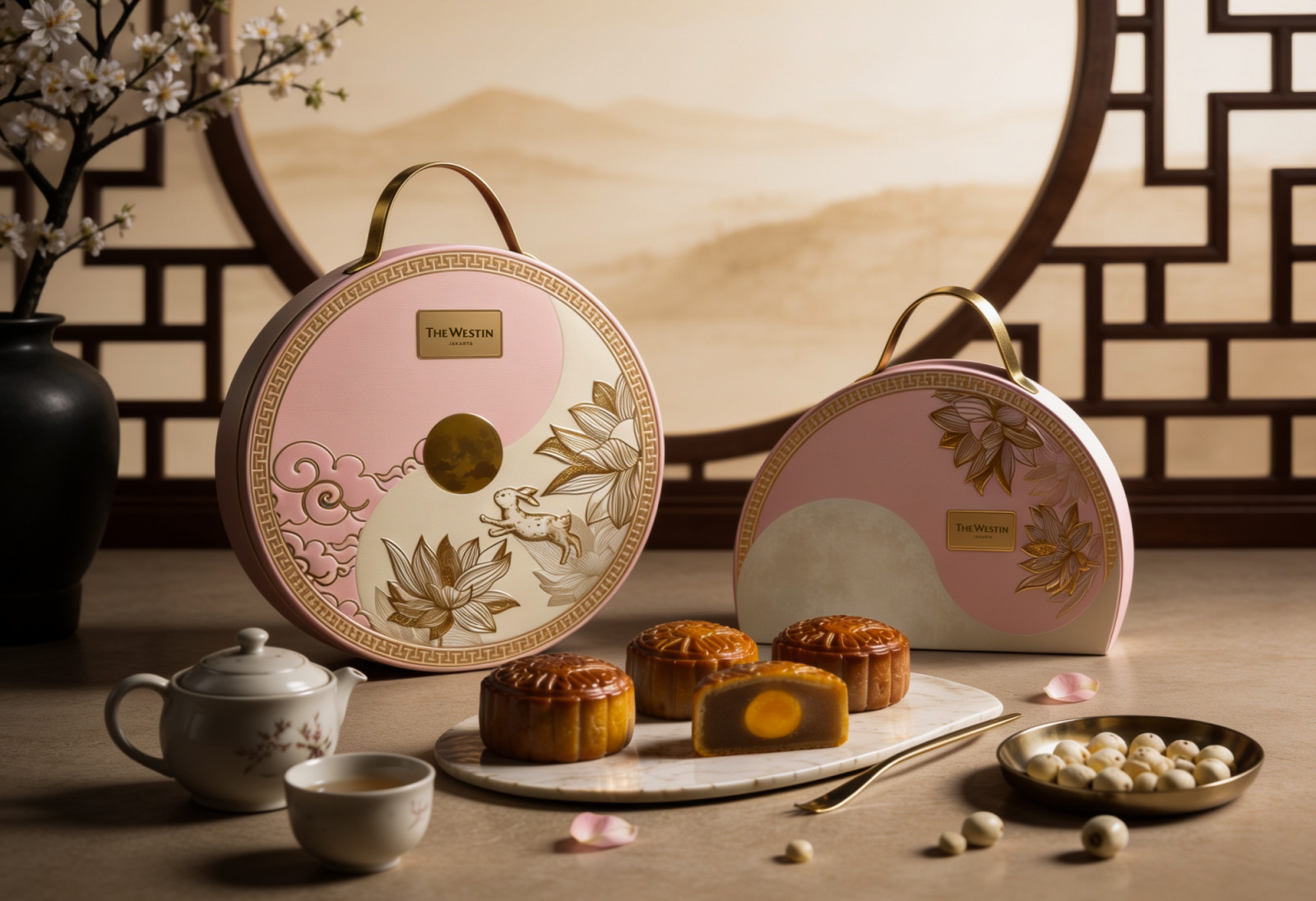
Harmony in Bloom by the Westin Jakarta
The Westin Jakarta has curated a box of mooncakes reflecting unity, inspired by flowers underneath the moonlight, containing four mooncakes with traditional flavours such as lotus egg yolk.
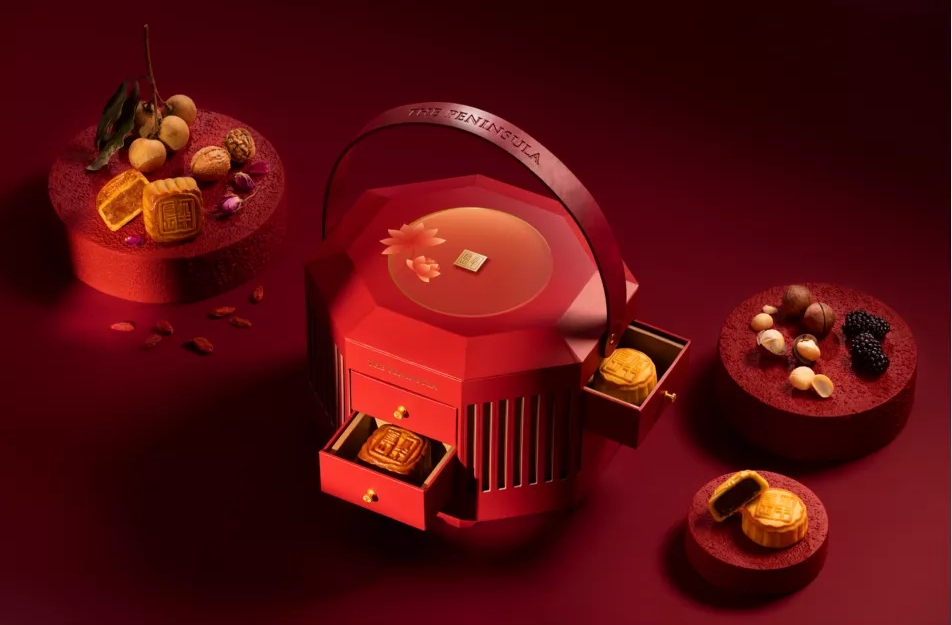
The Peninsula Boutique Selfridges Exclusive
The Peninsula Boutique located in London is selling the Star Chef Mooncake Gift Box at Selfridges. The box contains four mini Mulberry Egg Custard Mooncakes with Macadamia Nuts and four larger mooncakes with Longan, Wolfberry (Goji Berry), Walnut and Rose, packaged inside a gorgeous red case.
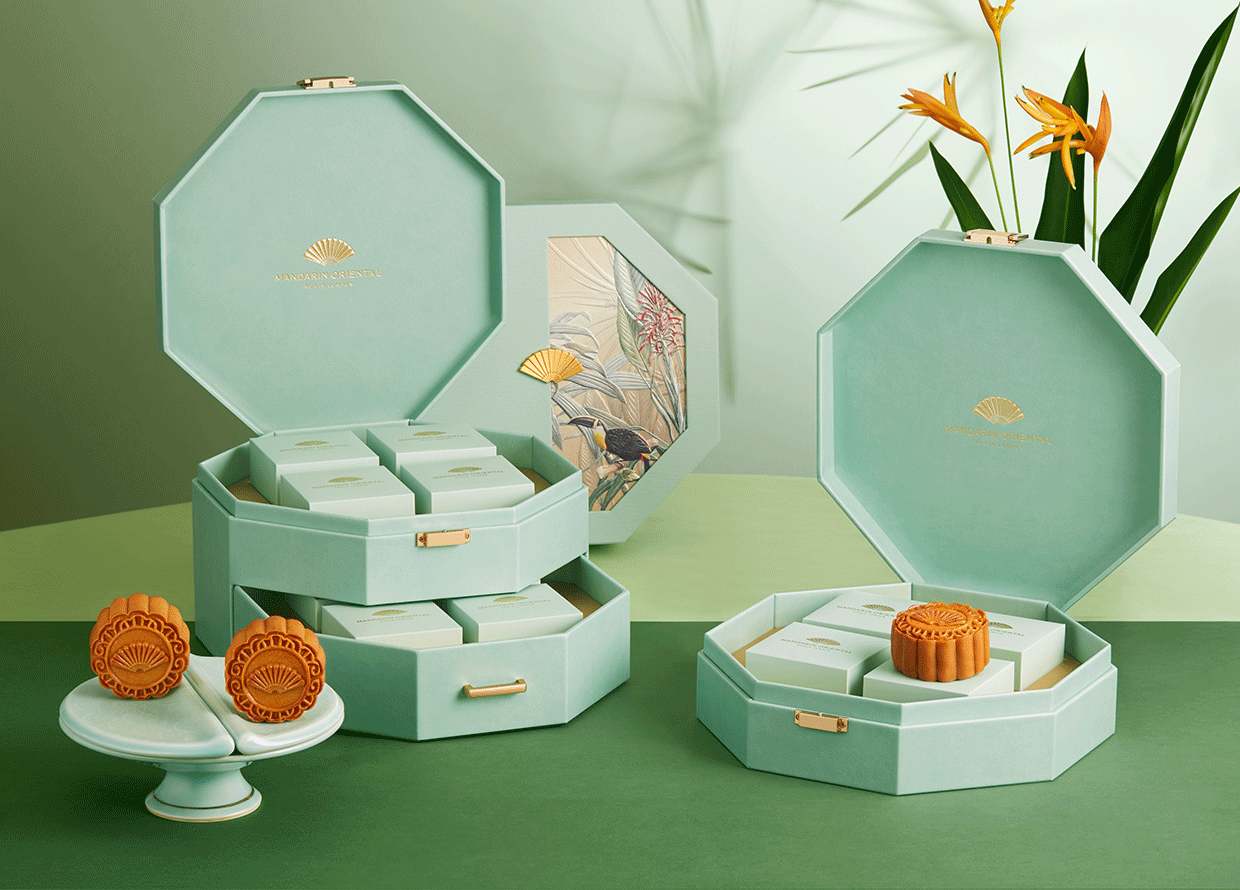
Mandarin Oriental, Kuala Lumpur
Inspired by Malaysia’s flowers and tropical foliage, the Mandarin Oriental has released three mooncake collections: Snow Skin, Artisanal Chocolate and Timeless Tradition, each with a skilfully crafted case of four or eight mooncakes.
Fun Fact: Did you know that there are mooncake scalpers? Some employers give out mooncake vouchers as presents, and the employees sell them back to the factories.
Moon Festival Vocabulary
| Chinese | Pinyin | English |
|---|---|---|
| 月饼 | Yuèbǐng | Mooncake |
| 中秋节 | Zhōngqiū jié | Mid-Autumn Festival |
| 农历 | Nónglì | Lunar Calandar |
| 冰皮月饼 | Bīngpí yuébǐng | Snow skin mooncake |
| 蛋黄 | Dànhuáng | Salted eggyolk |
| 莲蓉 | Liánróng | Lotus paste |
| 团圆饭 | Tuányuán fàn | Family reunion / dinner |
| 赏月 | Shǎng yuè | Moon watching |
| 玉兔 | Yùtù | Jade rabbit |
| 月圆人团圆 | Yuè yuán rén tuányuán | The moon is round, and 'people reunite' is an idiom meaning when the moon is full, families are complete (reunited) |
Curious about other Chinese festivals? Why not explore the Dragon Boat Festival?
FAQ
Mooncakes traditionally aren’t eaten all in one by one person; instead, they are cut into small slices and shared among family members. They’re best accompanied by tea to balance the rich sweetness.
No, Chinese festivals tend to follow the lunisolar calendar, which matches the moon phases and the sun.
Mooncakes are associated with gift-giving rather than buying them for yourself; some people buy extravagant gift boxes with beautiful packaging and unique flavours to give to business partners, bosses or family. Mooncakes often use expensive ingredients, and some flavours, such as salted egg yolk, take a lot of time to prepare. Bakeries usually sell mooncakes once a year during the festival season, making them limited and in demand.
If you want to try a mooncake, there are plenty of places to buy them! You can check your local Asian supermarket or bakery, or if you want to splurge on high-end mooncakes, high-end restaurants and brands sometimes sell them leading up towards the festival.

Alice O'Connor
Alice is a UK-based writer and University of Leeds graduate in Asia Pacific Studies and Chinese. From her time living and studying abroad in Taipei she combines her studies with firsthand experiences to cover contemporary Chinese culture, trends, and Mandarin learning. Through her writing and storytelling, Alice helps readers connect with Chinese related topics.