
You may have stumbled across the term “face” or “saving face", but what does it really mean, and does it have that much of an influence in China?
What does 面子 mean?
The word '面子’ (miànzi) is a Chinese phrase translated into English as ”face” and is described as protecting your image to avoid embarrassment.
The word 面子 is made up of two characters and can be broken down into
- 面 (miàn) meaning 'face', 'surface ', or 'outer’
- 子 (zì), which is added to nouns as a noun morpheme
For example, the phrase '保全面子’ means to 'save face' or 'preserve your appearance'.
- 保全 (bǎoquán): maintain or save from damage
- 面子 (miàn zì): face
To help you understand the meaning, imagine you are in a work meeting and make a mistake. During the meeting, your boss or supervisor points out your error in front of the whole room and tells you off, embarrassing you and causing you to lose face.
The concept of mianzi may be confusing at first, as it isn’t solely about embarrassment; it’s also related to respect and relationships, which are very important in Chinese culture and work environments as a result of their hierarchical nature.
Join the Mandarin Zest Club
Join the Mandarin Zest Club and become part of a welcoming international community of Chinese learners from all over the world. Practice together, stay motivated, and connect with people who share your goals for learning Mandarin.

Mianzi Explained
Think of mianzi as one’s reputation and how others view you, rather than self-esteem or ego. Every individual has a face regardless of age, position, or gender; however, senior or important individuals are placed on a higher pedestal, and junior employees are expected to respect their superiors. If an individual does not respect their boss and is impolite, they could ‘lose face’. On the other hand, if an important member of management is with clients and fails to impress them, then that manager would ‘lose face’. Anyone can gain or lose face.
Where Did It Come From, and Why Does It Matter?
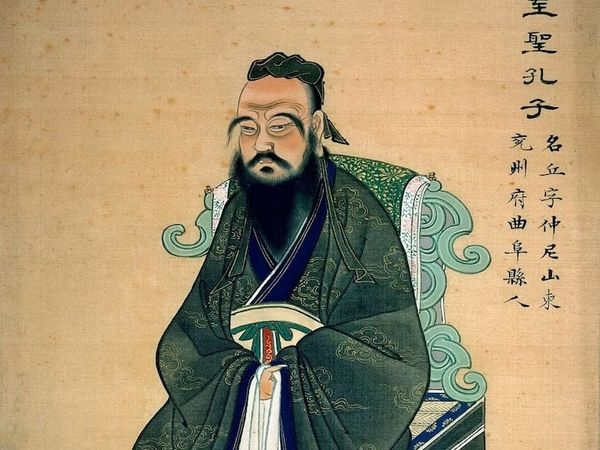
'Face’ stems from Confucianism, an ancient Chinese philosophy that emphasises social harmony, relationships and the individual role within wider society. It has had huge influences across China and East Asia, particularly on the role of women and filial piety (respect for one’s elders).
Confucius describes an orderly society as one where each member understands their role and must aim to achieve ren (everything good). Chinese society differs from Western societies, which place greater emphasis on individualism and personal ideals, whereas in China, attention is towards relationships and hierarchy. In addition, shame culture has played a role in raising children, helping ingrain the concept of face from a young age through emotion, as it reflects not only you but those around you (a naughty child’s behaviour reflects badly on them and their family upbringing). In the West, we are taught to be honest and truthful, and by being open about personal struggles, you can gain respect for having the courage to talk about it. This isn’t to say that Chinese people lie, but they may be more careful in how they approach certain situations. Instead of being direct, they might instead make polite suggestions or comments, expecting you to pick up on their meaning and intent.
Interested in other aspects of Chinese culture? Check out: Why Is Red Important in Chinese Culture?
Mianzi in International Relations
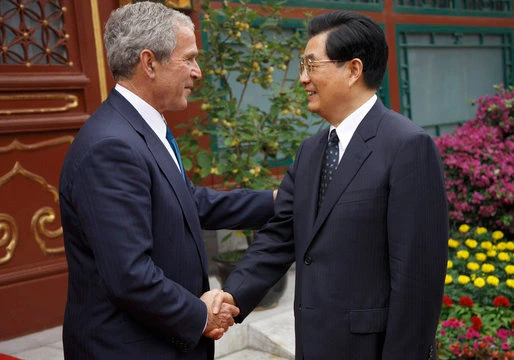
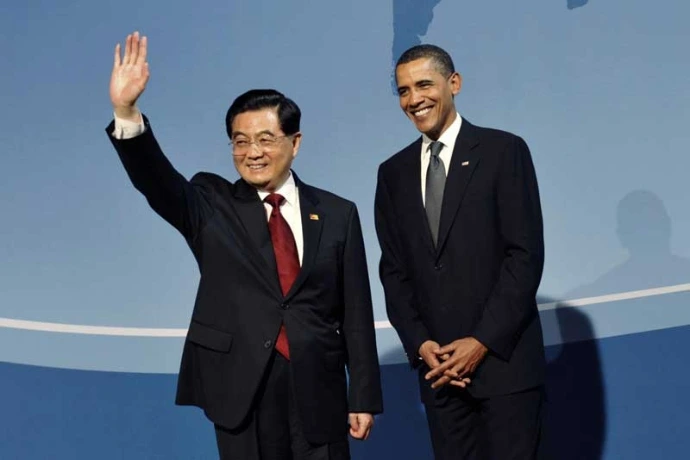
The importance of mianzi can extend beyond everyday life and into diplomacy. A commonly featured example is former President Hu Jintao’s 2006 visit to the United States, which demonstrated how a lack of cross-cultural understanding and awareness can result in a loss of face, even when accidental. Some Chinese saw the event as rude and unprofessional because the US had failed to show China the appropriate level of respect.
Hu’s meeting with Bush was designated as an official visit rather than the more esteemed state visit given to Jiang Zemin in 1997. During the welcoming ceremony, Hu was reportedly introduced as the “president of the Republic of China” rather than the “President of the People’s Republic of China”(which is particularly sensitive because the “Republic of China” refers to Taiwan rather than the official name of the government located in Beijing).
The visit also included a state luncheon rather than a more formal evening state dinner (which was not reported in Chinese media). Although some of the details mentioned may have been the result of mismanagement rather than deliberate disrespect, they were regarded by some as rude and inappropriate because diplomatic meetings carry connotations of status, recognition and respect between the two nations. (**The Cult of “Face” in China | 面子)**
However, in January 2011, Hu was granted an official state visit under the Obama administration, where the First Lady hosted an evening banquet to welcome the former president.
The incident reveals that mianzi is not limited to personal everyday relationships, but also influences how individuals, organisations, and even countries are perceived through reputation and status.
Mianzi in Business Settings

Mianzi can also influence everyday work settings, affecting how people build relationships, confront conflict and communicate. Here are a few things to keep in mind when working in China or interacting with Chinese clients. (The Role of Face in Chinese Business Settings: A Quick Guide)
Titles
When introducing someone, it’s important to refer to them by their title and proper name, demonstrating mutual respect.
Negotiations
It is important to bear in mind that during business negotiations, one party may agree to something that may not be the most suitable action to preserve their partner’s face. This maintains the relationship between the two, demonstrating mutual respect.
Mistakes and Public Criticism
Avoid criticising people in public in front of others and instead correct them in private to avoid embarrassment.
Examples of Mianzi in the Workplace
An example of good cross-cultural communication in the workplace would be understanding how mianzi works. Many international companies are told about mianzi and how cultural influences like “saving face” can affect business meetings or situations. In Western meetings, brainstorming is usually encouraged, and employees are allowed to share ideas and ask questions. However, in Chinese settings, this isn’t common, and employees may be more hesitant to ask clarifying questions or share their own personal ideas. This may cause problems because if an idea has any flaws, they might not receive critical feedback.
Another situation could be in courtrooms. If a judge is unaware of how culture can affect proceedings, important information may be overlooked or judged too quickly. For instance, an individual being asked questions in court could come across as dismissive or as withholding information for not answering questions; however, from their point of view, by not answering questions, they are saving face, or saving the face of the person questioning them.
If you want to learn more about how ‘mianzi’ can affect business in China, read: The Role of Face in Chinese Business Settings: A Quick Guide
The Differences Between 面子 (Miànzi), 脸子 (Liǎnzi), and 尊严 (Zūnyán)
面子,脸子 and 尊严 are non-interchangeable words. This section will help explain the three words and when to use them correctly.
面子 (miànzi) social reputation
- refers to how other people view you
- can be related to social standing, status and dignity
e.g. 撕破面子 (sīpò miànzi), to cast aside considerations of face, not sparing someone
脸子 (liǎnzi) a person's image
- look or appearance
- self-respect
- It is NOT another word for the concept of face
similar to 面子 but can also mean a person’s attitude, appearance or expression
e.g. 一副好脸子 (yī fù hǎo liǎnzi), a pretty face
尊严 (zūnyán) dignity
- personal dignity or self-respect
- isn’t based on how others view you
- you can lose face, but that doesn’t necessarily mean that your dignity is also lost
e.g. 每个人都有自己的尊严 (měi ge rén dōu yǒu zìjǐ de zūnyán), everyone has their own dignity
In summary: 面子 social reputation, 脸子 appearance/ attitude and 尊严 self-respect
Check our Bootcamps
Our bootcamps are professionally designed to deliver high-quality, focused Mandarin instruction. Each program combines clear structure, expert teaching, practical materials, and guided practice to help you make meaningful progress in a short period of time.

Face Vocabulary
| Chinese | Pinyin | English |
|---|---|---|
| 丢面子 | Diūliǎn | To lose face |
| 给面子 | Gěi miǎnzi | To give face |
| 留面子 | Liú miǎnzi | To save somebody’s face |
| 顾面子 | Gù miǎnzi | To care about ones reputation |
| 脸面 | Liǎnmiàn | Reputation, social standing |
| 尊严 | Zūnyán | Dignity |
| 不要脸 | Bù yào liǎn | To be shameless |
| 脸色 | Liǎnsè | Facial expression |
| 厚脸皮 | Hòu liǎnpí | Thick skinned |
| 脸 | Liân | Face |
Going to China and want to learn how to be polite and what to avoid? Why not check out: Chinese Gestures and Body Language: What to Do & What to Avoid
FAQ
The concept of mianzi isn’t limited to China; many other cultures have similar customs revolving around your social standing and avoiding embarrassment. However, mianzi can help you better understand Chinese society and culture.
Not everyone in China cares about “saving face”, as it is more of a cultural aspect rather than everyone’s individual belief.
Mianzi and respect are somewhat similar, but mianzi is more about how others perceive you and your reputation.
Understanding mianzi can help Chinese language learners understand the meaning and intent behind some behaviour. It can help explain the importance of respect, social hierarchy and harmony.

Alice O'Connor
Alice is a UK-based writer and University of Leeds graduate in Asia Pacific Studies and Chinese. From her time living and studying abroad in Taipei she combines her studies with firsthand experiences to cover contemporary Chinese culture, trends, and Mandarin learning. Through her writing and storytelling, Alice helps readers connect with Chinese related topics.