
Gift-giving is a common way to express gratitude and appreciation. Still, it can be stressful, especially if you’re not super close to the recipient, but did you know there are unspoken rules around giving presents to people in Chinese culture?
Whether you’re visiting a friend, attending an important celebration or even meeting Chinese business partners, being aware of and understanding the etiquette around gift-giving can help you pick out a thoughtful present.
Why is Gift-Giving Important in Chinese Culture?
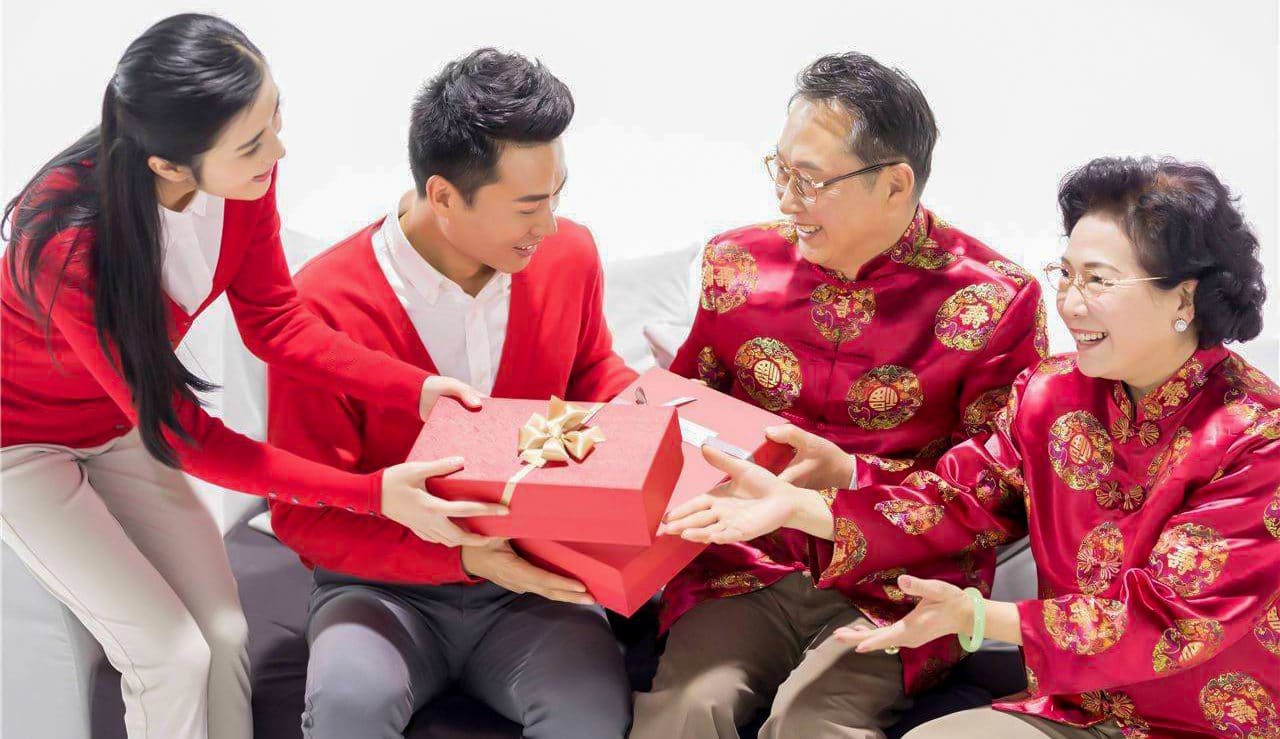
In Chinese culture, presents are a common way to show respect, goodwill and thankfulness. They are typically given during holidays or celebrations such as weddings and birthdays.
Gift-giving also plays an important role in maintaining good relationships. The concept of guānxì (关系) plays an important role in Chinese culture and refers to relationships and social connections, while rénqíng (人情) describes favours and goodwill. These two concepts can help explain why a gift may be valued for its thoughtfulness and consideration rather than solely its monetary worth.
For example, when visiting a friend’s home, it’s polite to bring fruit or tea as a present to express thanks for the invitation or hospitality and show you value the relationship.
However, this doesn’t necessarily mean that gift-giving customs are identical across China. Family traditions, regional variations and personal preferences can influence what type of present is acceptable.
When Do People Give Gifts in China?
There are many occasions when people give gifts:
Chinese New Year (春节,chūnjié)
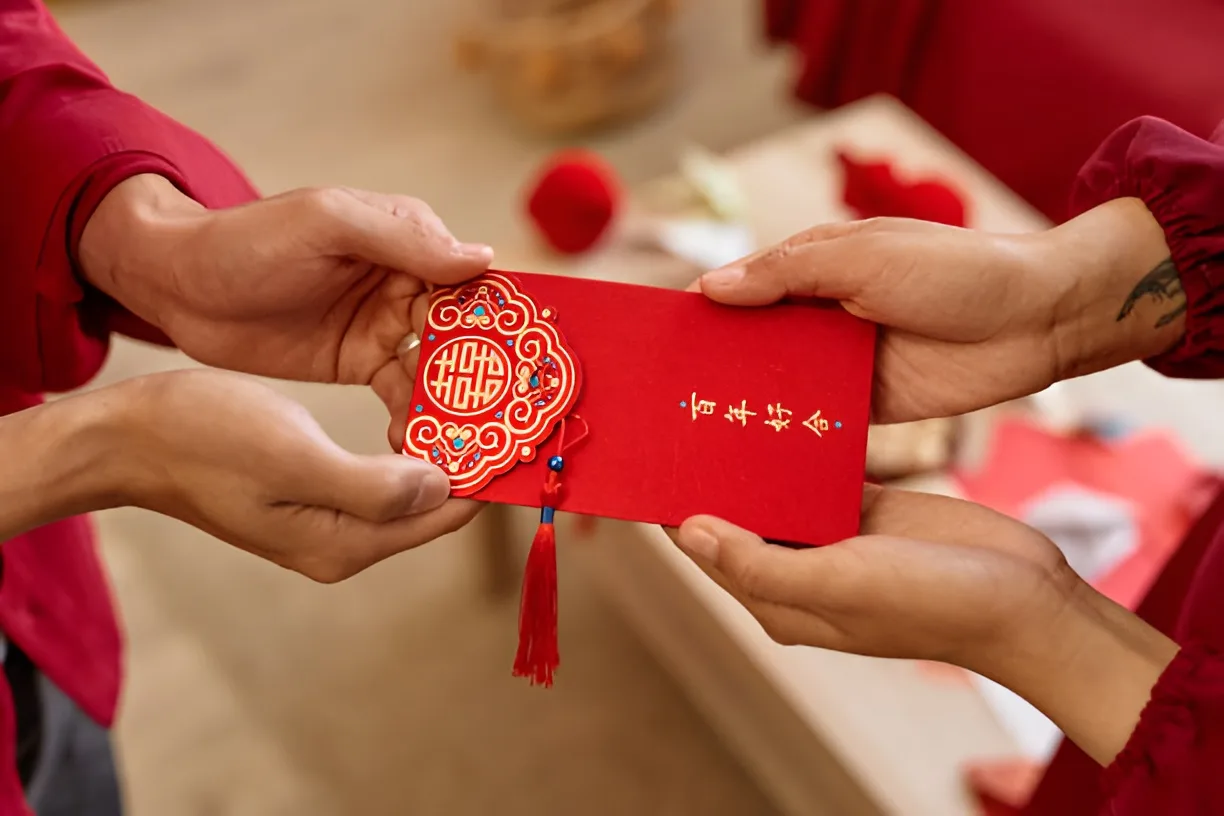
Chinese New Year is one of the most important festivals in Chinese culture. One of the most well-known traditions is 红包 (hóngbāo), or red envelope, typically filled with money and given as a present.
Weddings (婚礼, hūnlǐ)
At Chinese weddings, guests commonly give the couple money in red envelopes. The amount depends on the guest’s relationship with the couple and local customs.
Visiting someone’s house
If you are invited to a Chinese person’s home, it is common to bring a small gift to express gratitude. Typical gifts include tea, fruit and pastries, although the present can depend on the occasion and the host’s preferences.
Mid-Autumn Festival (中秋节, zhōngqiū jié)
The Mid-Autumn Festival focuses on family and reunion. Mooncakes (月饼, yuèbing) are typically cut into slices and shared among family members as part of celebrations, and also make popular gifts for co-workers and business partners. Leading up to the celebration, mooncakes can be found in local supermarkets and bakeries in decorative gift boxes.
Popular Gifts
Tea
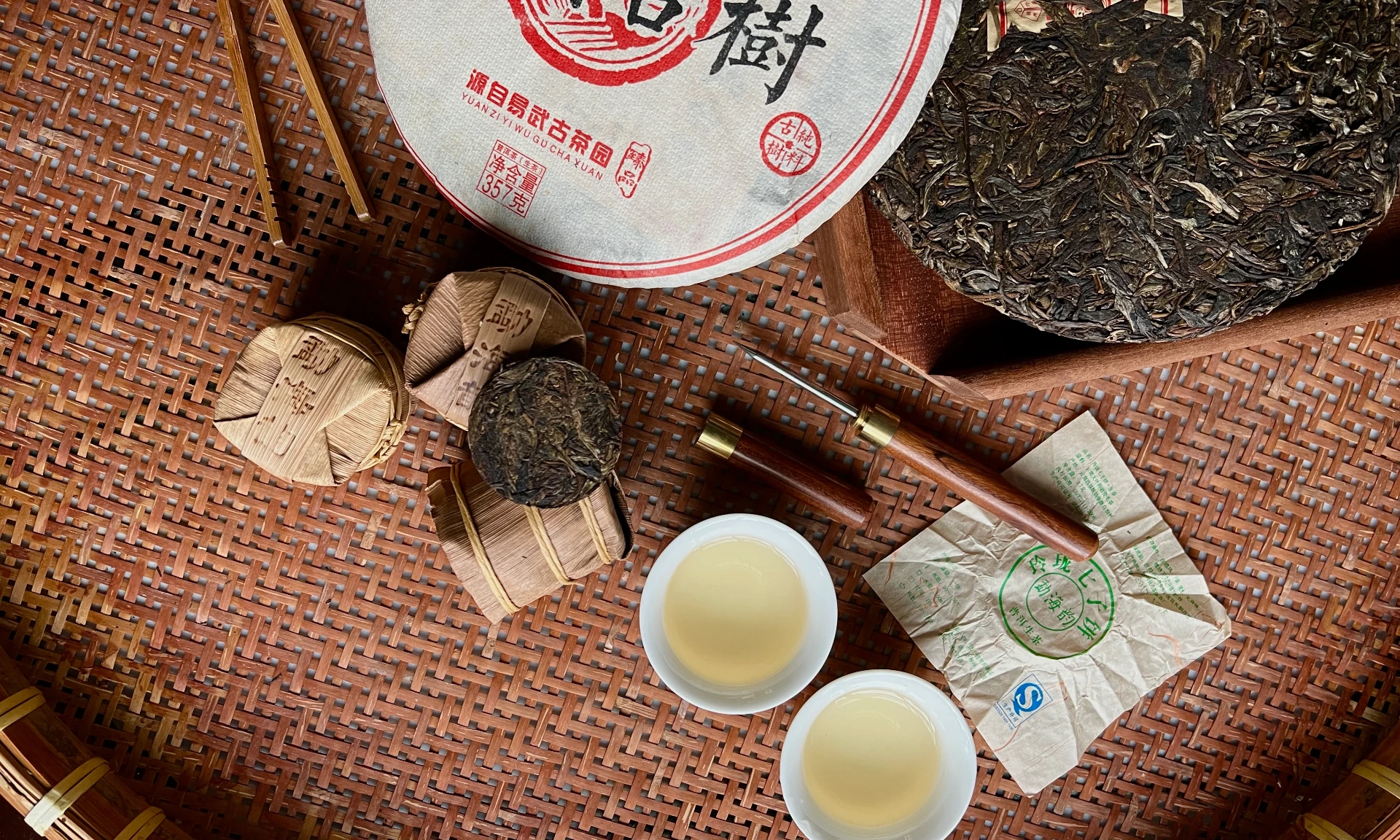
Tea (茶, chá) is a popular and versatile gift that can be given to anyone. There’s a wide selection of tea types to choose from; premium tea may be given in more formal situations or to high-profile individuals. In addition, a carefully selected everyday favourite can be given as a more personal gift.
Fruit
When visiting friends or family, people often bring a selection of packaged fruit. Fruit gift boxes can be bought from your local market to high-end department stores.
Some people even attach symbolic meaning to fruits, but this can vary and isn’t a given for everyone in China.
Mooncakes
During the Mid-Autumn Festival, mooncakes (月饼,yuébing) are given to friends, family, co-workers and even bosses! They often come in beautifully decorated boxes and are individually wrapped, making them excellent options with their pretty packaging.
Want to learn more about mooncakes and the Mid-Autumn Festival? Why not check out: The Mid-Autumn Festival: What It Is, Origins and How to Celebrate
Red Envelopes
Red envelopes are particularly associated with Chinese New Year and weddings. They offer a practical way to gift money whilst retaining festive symbolism.
Fun Fact: In Taiwan, pineapple cakes are a popular gift!
Gift-Giving Taboos and What to Avoid
Besides the common gifts, there are actually a few items that you should avoid because of their homophones and associations with negative events such as death and separation. These associations may be useful to be aware of, especially when picking out a present for somebody you do not know very well.
Shoes
Shoes (鞋,xié) may be avoided as presents, especially for couples, because they are often associated with separation, leaving or running away. You don’t really want to give your new lover shoes so that they can run away from you!
Umbrellas
In addition to shoes symbolising separation, umbrellas (伞) also symbolise separation or breaking up (散, sàn). Gifting someone an umbrella is seen as a wish to end a friendship or romantic relationship.
Clocks
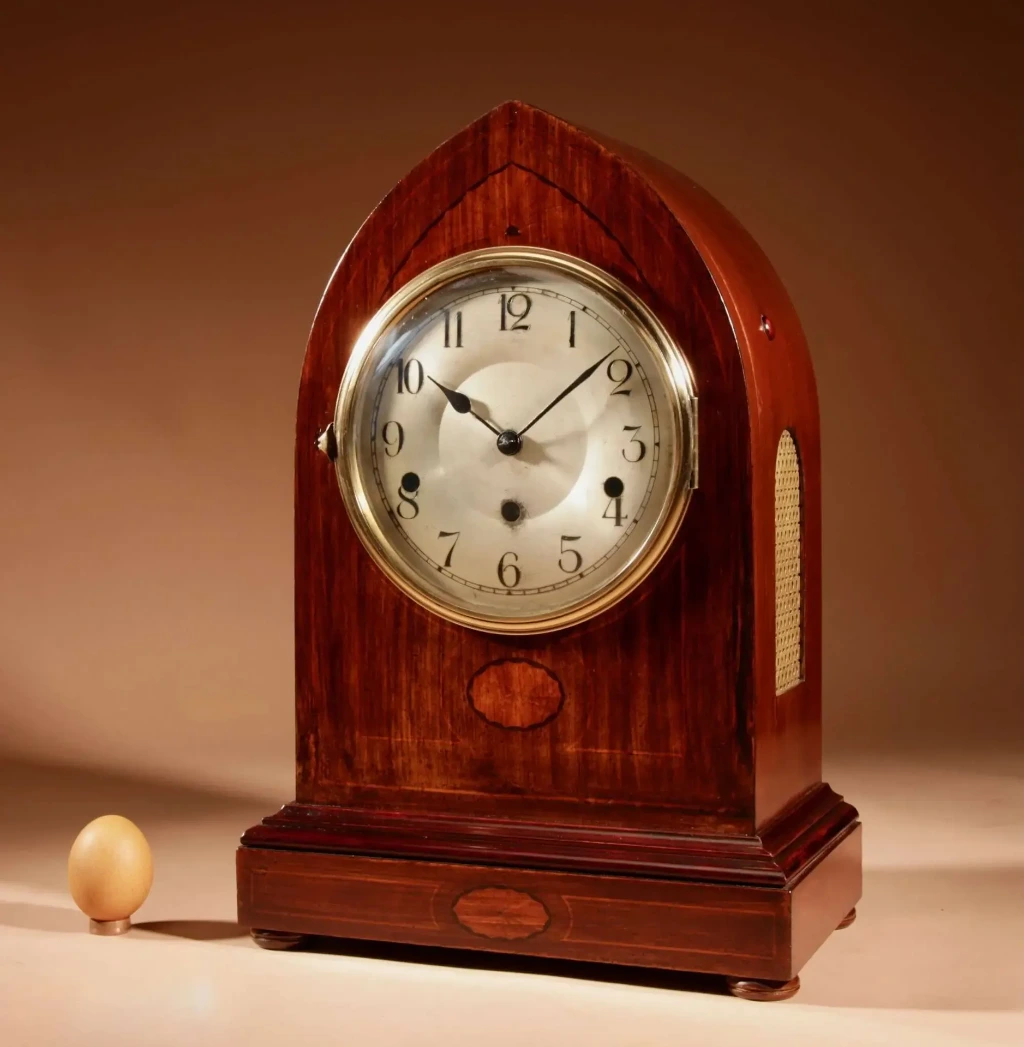
The phrase “to give a clock” in Chinese is sòng zhōng (送钟), which sounds very similar to sòng zhōng (送 终), meaning to attend a funeral. Due to the connotations of the phrase, presenting a clock to an elderly individual may not be the most appropriate gift.
Pears
The word for pear in Chinese is lí (梨), which sounds very similar to the word “to leave” 离 (lí). The phrase “to divide a pear” 分梨 (fēn lí) has a similar sound to the word “separation” 分离 (fēn lí) and some people may avoid sharing a pear with loved ones in certain situations.
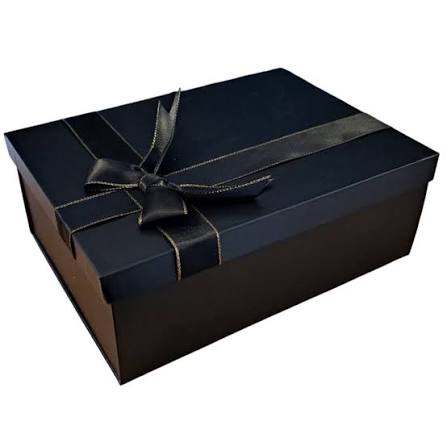
Black or White Packaging
In Chinese culture, colours have individual meanings and can be lucky or unlucky.
For example, the colour black has very Yin (dark) energy, often associated with sadness, grief and pain. Wearing white or using white decorations is considered bad luck, as it can attract bad energy, which can disrespect ancestors.
White is also unlucky as it was traditionally worn at funerals and believed to symbolise the spirit world, making it an inappropriate colour choice for celebrations. So it may be best not to give an elderly relative a gift wrapped in white packaging.
Sharp Objects
Sharp objects such as knives and scissors may be avoided because they can represent cutting ties or the end of a relationship. However, if someone requests a kitchen knife because they love cooking, then it is acceptable.
The Meaning Behind Numbers
Numbers can also influence how much money is given in red envelopes or the number of items included in a gift.
Four
The number four (sì, 四) is considered an unlucky number in Chinese due to its similar pronunciation to the word death ( sǐ, 死). In fact, four is so unlucky that some tall buildings skip the fourth floor, similar to the thirteenth floor in the West.
Six
Six or liù (六) in Mandarin is often associated with good fortune and smooth progression, and the phrase 六六大顺 (liùliù dà shùn) can be used to express the wish for everything to go smoothly.
Eight
Eight is extremely lucky in China because its pronunciation 八 (bā) is very similar to 发 (fā) in the phrase 发财 (fācái), meaning “to become wealthy”. This is why some people prefer amounts containing the number eight when putting money in red envelopes.
Nine
In Chinese culture, the number nine is linked to longevity. This is because 九 (jiǔ) sounds like 久 (jiǔ), which means “a long time” and suggests that a relationship will last for a long time.
If you’re interested in learning more about numbers and their meanings, check out: Why is the Number 8 Lucky in Chinese Culture?
How to Give a Gift
If you’re planning to give a gift and are unsure what to do, here are a few pointers:
- Choose suitable packaging for the event/occasion; e.g. if it is a birthday, avoid white wrapping paper.
- Red and gold are safe colour options as they represent good fortune, wealth and happiness.
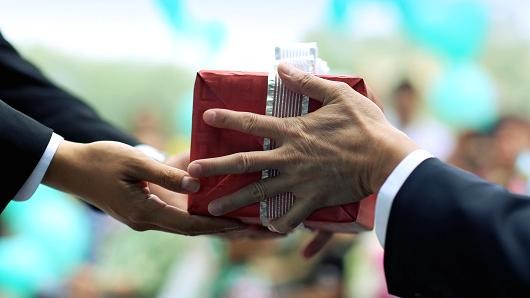
- Present the gift politely and explain why you chose the particular item.
What To Do When Receiving a Present
Gift-receiving etiquette can vary across families and social settings. For example, some people might open a gift straight away whilst others put it aside to open later. In Chinese culture, it can be seen as rude if you open a present straight away, as it signals that you are impatient; however, this is not the case for everyone. If in doubt, it’s best to follow the lead of the host.
Gifts in Business Settings
Gift-giving and receiving can also occur in the workplace. A suitable present can express gratitude or celebrate a new business contract or relationship.
The Chinese business culture of guānxi (关系) may be relevant because gifts are associated with familiarity, good relations and long-term connections. Rénqíng (人清) may also play a role as it is often used to describe goodwill and reciprocal social obligations.
However, this does not mean every Chinese business relationship is dependent on giving presents. Professional practices vary depending on the industry, and many organisations have strict rules around gifts.
If you are going to give a gift in a business setting, it may be useful to consider the following:
- Local laws and anti-bribery policies.
- Whether the gift could give the impression of favouritism.
- The professional nature and context of the relationship.
- Company policies (giver and recipient).
A small thoughtful present doesn’t equal preferential treatment. It is always best to be transparent and to follow work compliance.
Gift-Giving Vocabulary
| Chinese | Pinyin | English |
|---|---|---|
| 送礼 | Sòng lǐ | To give a gift |
| 礼物 | Lǐwù | Gift / present |
| 礼品 | Lǐpǐn | Gift / present (more formal) |
| 礼物包装 | Lǐwù bāozhuāng | Gift wrapping |
| 感谢 | Gǎnxiè | To thank |
| 心意 | Xīnyì | Thoughtfulness behind a gift |
| 祝福 | Zhùfú | Blessings / to wish somebody well |
| 茶叶 | Cháyè | Tea leaves |
| 关系 | Guānxi | Relationship/ connection |
| 人清 | Rénqíng | Goodwill, social obligation, favour |
FAQ
It depends on the person and occasion. Opening a present straight away can mean you are too impatient to wait until you get home. However, not everyone believes this. Instead, you should follow the lead of whoever gave you the gift.
Money is actually a very common gift at weddings and the New Year. The amount inside the red envelope depends on the relationship, occasion and local customs.
Yes, giving a present with two hands is considered polite and respectful, especially when giving something to an older person, host or a high-status individual.
The phrase is used when presenting a gift. It means “a small gesture” or “a small token of thoughtfulness”, emphasising the sentiment behind the present rather than its monetary value.

Alice O'Connor
Alice is a UK-based writer and University of Leeds graduate in Asia Pacific Studies and Chinese. From her time living and studying abroad in Taipei she combines her studies with firsthand experiences to cover contemporary Chinese culture, trends, and Mandarin learning. Through her writing and storytelling, Alice helps readers connect with Chinese related topics.